Stylized Clown Fish: A Designer's Real-World Review
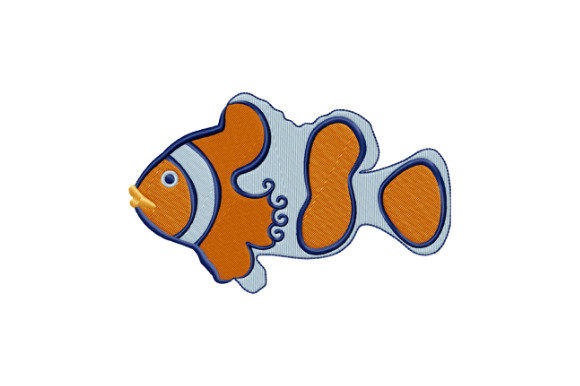
When I first opened the Stylized Clown Fish file, my immediate reaction was one of cheerful recognition. In a sea of hyper-realistic fish and overly complex marine life patterns, this design stands out for its simplicity and charm. As someone who has stitched thousands of designs for clients ranging from boutique owners to hobbyists, I know that "cartoon" often implies "low effort," but this piece is anything but. It captures the playful spirit of the home aquarium with a modern, clean aesthetic that feels ready for production.
The visual personality of this design is distinct. It leans heavily into the nursery and children's wear market, which makes sense given the product description. The lines are bold, the shapes are rounded, and the overall mood is welcoming rather than intimidating. For an embroidery designer looking to expand their catalog, this is exactly the kind of asset that can bridge the gap between a simple logo and a full-blown illustration. It strikes a balance that allows it to work on everything from a tiny baby onesie to a larger tote bag without losing its identity.
From Screen to Stitch: How It Handles Real Fabric
Let's talk about what actually happens when you push this design through your machine. The first thing I noticed is how the layout handles different stitch types. The body of the clownfish relies on fill stitches that appear dense enough to cover the fabric completely, yet not so heavy that they cause puckering on medium-weight materials. This is crucial for anyone making custom apparel or bags where drape matters.
I ran a test on a cotton canvas tote bag to see how the design would hold up to daily use. The satin stitch outlining the fins and tail looked crisp, providing a nice definition against the textured canvas. However, if you plan to use this on stretchy fabrics like jersey knit for sweatshirts or t-shirts, you need to be careful. While the design itself isn't overly large, the density of the fill areas requires a stable foundation. Without proper stabilizer, those curved edges might distort as the fabric stretches during stitching.
The color palette implied by the stylized nature of the fish suggests high contrast. In real-world applications, using bright orange threads against white or light blue backgrounds creates a pop that draws the eye immediately. But if you are attempting this on dark fabric, the underlay becomes your best friend. You will want to ensure your machine settings account for the darkness of the base material so the vibrant colors of the fish don't get lost in the weave.
Best Use Cases for Small Business and Crafters
If you are an Etsy seller or a small shop owner, you know that visual appeal drives sales. Stylized Clown Fish fits perfectly into the "giftability" category. It is the kind of design that makes a customer smile before they even read the product title. I envision this being a star performer on personalized gifts, particularly for new parents or pet lovers who have aquariums.
Consider a scenario where you are creating a line of kitchen accessories. Embroidering this design on a tea towel or a chef's apron adds a touch of whimsy to the kitchen. The theme aligns naturally with marine decor, making it a logical choice for a boutique selling beach-themed items. The cartoon style ensures it doesn't look too formal or stiff; it feels approachable and fun, which is exactly what you want for a handmade product intended to bring joy.
For digital product sellers, this design offers versatility. It works well as part of a larger collection, perhaps paired with other elements from the Sea Life series to create a themed bundle. When creating printable mockups for your listings, the clean lines of the stylized fish translate beautifully, allowing potential buyers to visualize the finished product clearly. It serves as a strong design asset that can elevate a generic listing into something professional and cohesive.
Where Caution Is Required
No design is perfect for every situation, and Stylized Clown Fish is no exception. There are specific scenarios where this pattern might struggle if not handled with care. One of the primary limitations lies in very small hoop sizes. If you attempt to shrink this design down to fit a 4x4 inch hoop for a hat patch or a small accessory, you risk losing the integrity of the details. The curves might become jagged, and the distinction between the different colored sections could blur, resulting in a muddy appearance.
Textured fabrics present another challenge. While the design looks great on smooth cotton or linen, rougher weaves like burlap or heavy denim might hide the finer details of the fish's features. Additionally, if you are working with thin fabrics, the density of the fill stitches could cause the material to pucker or tear over time, especially after repeated washing. In these cases, a lighter stitch density or a different design might be more appropriate.
Curved surfaces, such as baseball caps, require precise digitizing adjustments. Even though the design is stylized, the curvature of the cap can distort the proportions of the fish if the design isn't optimized for that specific curve. Always test on a scrap piece of the actual garment material before committing to a run. This is especially true for commercial embroidery projects where consistency is key to maintaining brand reputation.
Practical Notes for the Discerning Designer
Before you add this to your inventory or start a client project, there are a few technical steps you must take. First and foremost, always test the design on scrap fabric. This allows you to check thread color contrast and review stitch density firsthand. You might find that a specific thread weight works better than the default setting recommended by the manufacturer.
Inspect the small details closely. Sometimes, files meant for commercial use contain hidden layers or intricate corners that can snag on the needle or break the thread. Confirm the hoop size requirements listed in the file documentation to ensure your machine can handle the dimensions. If you are unsure about the file formats or machine compatibility, reach out to the creator or check the product page thoroughly.
Licensing is another critical factor. If you intend to sell finished products featuring Stylized Clown Fish, you must confirm the terms of the license. Some digital embroidery files are restricted to personal use only, while others allow for commercial sale of the physical item. Misunderstanding these terms can lead to legal issues down the line. Make sure you have clear permission to use the design assets for your craft business.
Finally, consider the longevity of the finished product. Embroidery is meant to last, but poor stabilization or incorrect tension can ruin a beautiful design quickly. Ensure you use the right stabilizer for the fabric type—cut-away for stretchy garments and tear-away for wovens. By paying attention to these details, you ensure that the final product reflects the professionalism and quality that customers expect.
In conclusion, Stylized Clown Fish is a charming and versatile addition to any embroidery library. Its cartoon aesthetic makes it ideal for nurseries, casual apparel, and fun gift items. With proper planning and testing, it can serve as a reliable tool for creating memorable handmade products that resonate with buyers. Whether you are decorating a baby blanket or branding a new line of tote bags, this design offers a delightful way to bring a bit of the ocean into your workshop.