Thermometer Design: A Designer's Real-World Review
As someone who has spent years evaluating digital assets for both personal crafting and commercial boutique lines, I often approach new files with a mix of curiosity and skepticism. You want something that looks cute on the screen but translates perfectly to the needle and thread. That is exactly where Thermometer Design enters the conversation. It is not just another generic icon; it is a specific tool for creators looking to add a touch of whimsical utility to their projects. This review breaks down how this machine embroidery design performs when moved from a computer screen to a real-world finished product.
First Impressions and Visual Personality
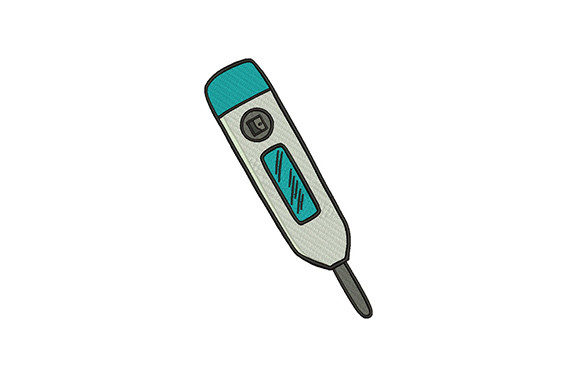
The moment you open the file, the mood is immediately set: cheerful, practical, and slightly retro. The description notes that while it might not measure your temperature, it will definitely look nice. As a designer, I appreciate that honesty. The design relies on clean lines and a recognizable silhouette rather than overwhelming complexity. It feels like a piece of Work that belongs in a creative space, perhaps a home office, a craft room, or a cozy kitchen.
The visual personality is friendly without being childish. It strikes a balance that makes it versatile enough for a baby's onesie yet sophisticated enough for a linen apron worn by a small business owner. The layout suggests a design that values clarity over clutter. When you look at the vector preview, the shape holds up well, suggesting that the stitch density will be manageable. It does not scream for attention but rather invites the viewer to take a closer look, which is often the hallmark of a high-quality embroidery project.
Real-World Application: From Screen to Stitch
Let's imagine a scenario. You are an Etsy seller preparing for the holiday season, and you have a client request for a custom embroidered tote bag. They want something unique that isn't a standard floral motif. This is where Thermometer Design shines. Imagine stitching this onto a sturdy canvas tote in a soft pastel blue thread against a natural cream background. The result is a functional accessory that doubles as a conversation starter. It fits perfectly into the "nursery decor" or "kitchen towel" categories, offering a playful nod to health and wellness without being literal.
I also envision this design thriving on a sweatshirt embroidery project. Picture a cropped hoodie made of French terry, with the thermometer stitched in white thread using a satin stitch finish. It creates a subtle texture that catches the light differently depending on the angle. For a boutique product, this could be a signature element on a line of gift sets. Whether it is a patch sewn onto a denim jacket or a decorative accent on a pillow cover, the design adapts well to various textures.
The versatility extends to commercial embroidery as well. Small shop owners often need assets that can be quickly integrated into branding materials. A printable mockup featuring this design on a tea towel or a baby blanket would likely perform well in online listings. It conveys a sense of care and attention to detail, which builds customer trust. When buyers see a well-executed stitch pattern on a product listing, they assume the quality of the finished item matches the precision of the design.
Where to Use It (and Where to Pause)
While this design is robust, every creator knows that fabric behavior can be unpredictable. There are specific scenarios where Thermometer Design requires extra caution. If you are working with thin fabrics or highly stretchy materials like jersey knit, the stability of the stitches becomes critical. Without proper stabilizer, the tension might pull the fabric, distorting the thermometer's straight lines.
Small hoop sizes present another challenge. If you attempt to digitize this for a very small area, such as a cap brim or a tiny pocket, you must verify the level of detail. Tiny lettering or intricate corners can get lost in the fabric weave if the resolution is too low. Similarly, on dark fabrics, the contrast of the thread colors is paramount. If the design includes fine details intended to show up on white, they may vanish on black unless you choose the right thread palette. Always test the design in black and white mockups first to ensure the negative space works as intended.
Dense stitch areas should also be monitored. If the design uses heavy fill stitches, it might create a stiff feel on delicate items like baby clothes. In those cases, a lighter stitch density or a running stitch variation might yield a softer, more comfortable finished product. For products that need frequent washing, such as kitchen towels or work aprons, securing the edges properly is essential to prevent fraying over time.
Designer Notes for Success
To get the most out of this embroidery file, I recommend a few practical steps before you start your main production run. First and foremost, always test the design on scrap fabric. This simple step reveals issues with thread tension, color contrast, and stabilizer choice that you might miss otherwise. Check the thread colors carefully; a mismatch between the thread sheen and the fabric texture can make a good design look cheap.
Review the stitch density settings in your software. If the design feels too dense, it may require trimming or reducing the number of stitches to maintain flexibility. Confirm the hoop size required for the final application; a design that fits in a 4x4 hoop might not scale well to a larger garment without losing proportion. Inspect small details closely, especially if you plan to use this as a digital product preview or a design asset for clients.
It is also crucial to confirm licensing terms before selling finished items. Ensure that the digital embroidery file allows for commercial use of the finished product. Some licenses restrict the number of units you can sell, while others may prohibit resale entirely. Understanding these terms protects your craft business from potential legal issues.
Final Thoughts on Value and Appeal
Ultimately, Thermometer Design offers a strong foundation for a variety of handmade products. Its charm lies in its simplicity and the way it elevates everyday objects. Whether you are creating a personalized gift for a friend or building a catalog of small shop products, this design adds a layer of personality that generic patterns lack. It signals that you, as the maker, understand the importance of visual harmony and technical execution.
For the hobbyist, it is a fun addition to a seasonal collection. For the professional, it is a reliable asset that enhances brand consistency. By paying attention to fabric texture, thread choices, and stabilization techniques, you can transform this digital concept into a tangible treasure. It is a reminder that even a simple object like a thermometer, when reimagined through embroidery, can become a beloved part of a home or a business identity.