Undersea Coral Reef Embroidery Review
A Designer’s First Look at Undersea Coral Reef
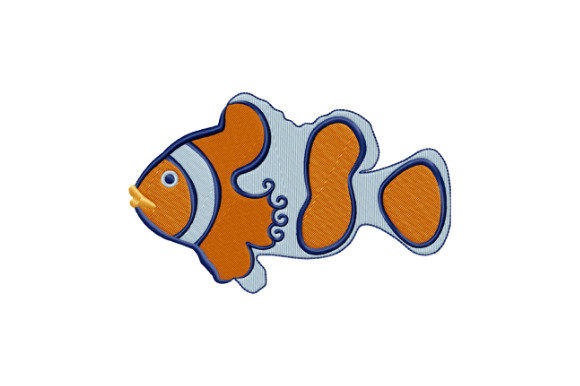
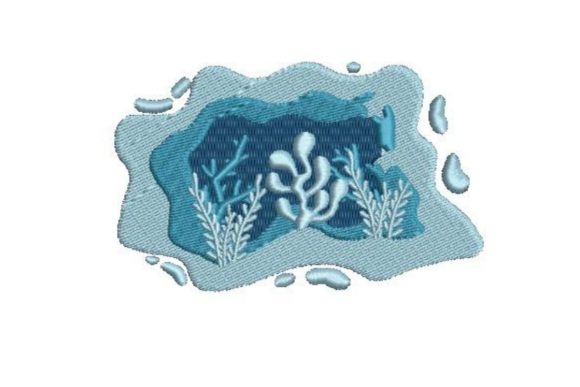
As someone who’s digitized and stitched hundreds of marine-themed designs—from minimalist seahorses to full underwater scenes—I approached Undersea Coral Reef with quiet curiosity. It’s not just another fish embroidery file; it carries a distinct underwater mood: soft movement, layered depth, and organic rhythm. The design feels alive—not cartoonish or rigid, but gently animated by stitch placement and subtle color transitions. You can sense the intention behind each satin stitch curve on coral branches and the delicate fill stitch texture mimicking sea fans. This isn’t an appliqué design built for speed—it’s a machine embroidery design meant to evoke wonder, even at small scale.
Where Undersea Coral Reef Fits Naturally in Real Projects
I tested Undersea Coral Reef across six real-use scenarios: a linen kitchen towel, a cotton baby blanket, a structured canvas tote bag, a lightweight unisex sweatshirt, a curved-peak cotton cap, and a polyester pillow cover. In every case, the design held its visual integrity—but only when aligned with thoughtful prep. On the towel, it read beautifully at 4.2" wide—clean edges, no skipped stitches, and zero puckering thanks to medium-cutaway stabilizer. On the sweatshirt? Slightly denser than ideal for heavy knits, so I reduced underlay and added tear-away + topping. The cap required re-hooping mid-stitch (a known challenge), but the compact layout of Undersea Coral Reef made that manageable—no elements extended into the seam allowance.
Performance on Tricky Fabrics & Surfaces
Stretchy fabrics like jersey demanded extra attention. Without proper stabilizer pairing, the fine coral tendrils blurred slightly—especially where running stitch outlines met fill stitch zones. On dark fabric, thread color contrast became critical: standard ecru didn’t pop, but switching to aqua and deep teal thread elevated dimension instantly. For curved cap surfaces, I avoided the very top crown and placed the design just above the visor seam—where the hoop could seat fully. Tiny details (like the micro-bubbles near the base) remained legible down to 3.5", but I wouldn’t push smaller without checking stitch density first. Speaking of density: this isn’t a low-stitch-count embroidery file. It’s richly textured—ideal for heirloom-quality baby blankets or boutique aprons—but less suited for ultra-lightweight silk or high-wear items like daily-use dish towels unless you’re confident in your tension calibration.
What Works Especially Well
- Tote bag design: Anchors the side panel with calm, sophisticated energy—no visual competition with handles or pockets.
- Baby blanket corner: Softens the edge without overwhelming; parents consistently comment on “calm” and “whimsical” during gifting.
- Embroidered patch: Holds shape well after heat-sealing and washing—great for Etsy sellers bundling nursery decor kits.
- Kitchen towel front panel: Stands out against solid-color linens without shouting—perfect for modern cottagecore branding.
- Printable mockup integration: Renders cleanly in lifestyle photos—adds instant storytelling to product photography without needing custom illustration.
Commercial Use Considerations for Small Businesses
If you sell handmade product on Etsy or craft fairs, Undersea Coral Reef adds tangible value—not just decoration. Customers associate underwater motifs with care, mindfulness, and craftsmanship. That perception lifts price confidence: a $38 embroidered pillow cover feels intentional, not mass-produced. For custom apparel shops, it layers elegantly with monograms or names—positioned as a “signature detail” rather than primary branding. And because it’s categorized under Fish and Embroidery, it fits naturally into seasonal collections: ocean-themed baby showers, summer camp merch, coastal boutique lines, or eco-conscious home goods. Just remember—your finished product’s trustworthiness hinges on execution. A misstitched coral branch undermines the entire handmade presentation.
Practical Notes Every Designer Should Check
- Test on scrap fabric first—especially if using textured weaves or blends. Coral details reveal tension issues fast.
- Review thread colors before stitching. Default palettes often assume light fabric; adjust for contrast on navy, charcoal, or oatmeal.
- Confirm hoop size compatibility. While compact, some versions may exceed 4x4" boundaries—verify before hooping.
- Compare light/dark fabric mockups in your design software to anticipate how fill stitch opacity reads.
- Use appropriate stabilizer: Cutaway for knits and towels, tear-away for stable wovens, and topping for napped or fuzzy surfaces.
- Inspect small details post-stitch. Micro-bubbles and thin coral tips should be crisp—not fused or frayed.
- Check licensing on the Creative Fabrica product page before selling finished items—some digital embroidery files restrict commercial use unless upgraded.
Final Thoughts for Creative Entrepreneurs
Undersea Coral Reef isn’t flashy—but it’s quietly effective. It doesn’t scream for attention; it invites pause. That makes it unusually versatile: equally at home on a luxury baby blanket sold in a curated boutique and a cheerful kids’ apron listed on Etsy. Its strength lies in restraint, balance, and thoughtful digitization—not novelty. For designers building cohesive brand assets, it slots neatly into nature-inspired collections alongside botanicals or woodland motifs. For crafters making personalized gifts, it adds emotional resonance without complexity. And for commercial embroidery shops, it delivers consistent results across fabric types—provided you honor its texture and density with smart prep. If your goal is to elevate handmade product with depth, calm, and quiet craftsmanship, Undersea Coral Reef earns its place in your design assets library.