World Braille Day ITH Keyfob Design Review
As someone who has spent years reviewing embroidery files and stitching them onto everything from delicate baby onesies to heavy-duty work aprons, I know that the difference between a good design and a great one often comes down to context. When I first encountered the World Braille Day ITH Keyfob Design, my initial reaction wasn't just about the visual appeal; it was about its potential utility in a real-world commercial setting. This is an Inspirational piece of digital art that promises to celebrate awareness through thread, but does it hold up under the needle when pressed against the demands of a busy craft business?
The concept is straightforward yet powerful: transforming the tactile language of Braille into a wearable or usable symbol of support. In my experience, designs that carry such a meaningful message need to be executed with precision. If the stitches are too loose, the texture is lost. If they are too dense, the fabric puckers. Let's dive into how this specific machine embroidery design performs when we move beyond the screen and into the hoop.
First Impressions and Visual Personality
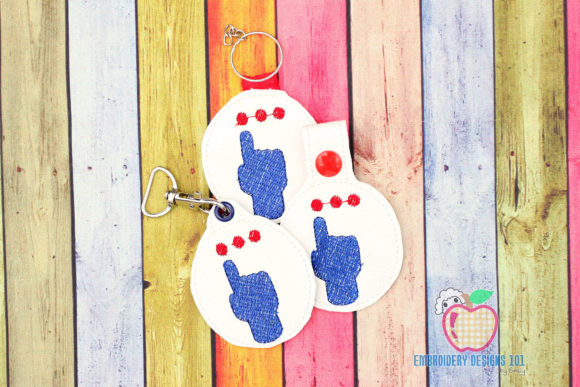
When you look at the preview for the World Braille Day ITH Keyfob Design, the layout feels intentional. It isn't cluttered. The key element here is the interpretation of Braille dots as part of a cohesive shape, likely forming a heart, a letter, or a symbolic icon depending on the specific file version. For a designer looking to create a finished product, the mood is one of quiet dignity and modern accessibility. It avoids being overly sentimental while still hitting the emotional note required for a cause-based project.
The design personality fits perfectly into the Inspirational category. It speaks to a community that values inclusion and communication. Visually, it relies heavily on the contrast between the stitch density and the background fabric. A successful embroidery project hinges on this balance. The design seems to favor a clean, minimalist aesthetic, which means it will look sharp on a dark tote bag or pop beautifully against a white kitchen towel. However, the "keyfob" aspect suggests a compact size, meaning every single stitch counts toward the final legibility of the pattern.
Real-World Application: From Screen to Stitch
Imagine you are an Etsy seller preparing your inventory for a holiday market or a boutique owner stocking up on gifts for the upcoming season. You decide to use the World Braille Day ITH Keyfob Design to create a line of custom keychains or perhaps small patches for denim jackets. How would this actually perform?
For a custom apparel application, such as a sweatshirt or a t-shirt, the design works well as a chest logo or a back-of-neck accent. The compact nature of a keyfob design makes it versatile; it doesn't overwhelm the garment. I have found that when selling personalized gift items, customers appreciate designs that tell a story. This design tells a story of connection. If you are creating a tote bag design, placing this motif near the handle creates a focal point that draws attention without dominating the entire canvas.
Consider the scenario of making a set of matching accessories for a corporate event or a charity fundraiser. The World Braille Day ITH Keyfob Design could be digitized for caps, aprons, or even pillow covers. The beauty of an ITH (In-The-Hoop) style design, if applicable, is the efficiency it offers for production. However, even if treated as a standard applique or satin stitch design, the time saved on trimming and finishing can significantly boost your profit margins for small shop products.
For those selling digital product previews, the versatility is a major selling point. You can mock up this design on a variety of backgrounds—soft pastel fabrics for nursery decor, rugged denim for a streetwear brand, or crisp cotton for a tea towel. The adaptability ensures that your design assets remain relevant across different niches within the handmade market.
Where Caution Is Required
While the design is promising, no professional review is complete without addressing the pitfalls. There are specific scenarios where the World Braille Day ITH Keyfob Design might struggle if not handled with care.
Small Hoop Sizes: Since this is a keyfob design, it is inherently small. On very small hoops, the risk of registration errors increases. If the stitch density is high, the braille dots might merge together, losing their distinct shape. Always ensure your machine is calibrated correctly before running a full batch.
Fabric Texture and Stretch: Embroidering on stretchy fabrics like jersey knit requires a stabilizer that can handle the tension without distorting the image. If you attempt to put this on a thin, sheer fabric without proper backing, the running stitch or satin stitch elements might pull the material, ruining the drape of the item. Similarly, textured fabrics like chunky knits can hide the fine details of the Braille pattern, making the design less recognizable.
Dense Stitch Areas: If the design features large blocks of fill stitch, be wary of using it on garments that require frequent washing. Over time, the threads may pill or fade unevenly. For commercial embroidery intended for long-term wear, lighter fill densities often yield better durability.
Curved Surfaces: Applying this to a cap or a rounded bottle can be tricky. The flat nature of the design might distort when wrapped around a curve, especially if the corners are detailed. Testing on scrap material is non-negotiable here.
Practical Designer Notes for Success
To get the most out of this embroidery file, I recommend a rigorous testing protocol. Before you commit to a production run for your craft business, always test the design on scrap fabric that matches your final product. Check the thread colors carefully; high contrast is essential for Braille patterns to be visually clear, even if the tactile function is separate.
Review the stitch density settings in your digitizing software. If the dots appear too close, increase the spacing slightly. Inspect small details under magnification to ensure no threads are broken or skipped. It is also wise to test the design in black and white mockups to see how it translates to grayscale, ensuring it maintains its impact regardless of color.
Don't forget the stabilizer. Using the wrong type can lead to puckering, which ruins the finished product's value. Confirm whether the design works for both personal and commercial projects by checking the license terms provided by the creator. If you plan to sell the handmade product directly, you need assurance that you are allowed to do so.
Final Thoughts on Value and Trust
Ultimately, the World Braille Day ITH Keyfob Design offers more than just a pretty picture; it offers a conversation starter. When a customer sees this design on a holiday gift or a boutique branding item, they immediately recognize the effort and thoughtfulness behind it. This builds trust and engagement, which are crucial for any Etsy seller or creative entrepreneur.
The design elevates the perceived value of the item. It transforms a simple accessory into a statement piece. Whether you are decorating a sweatshirt for a family member or creating a collection of embroidered patches for sale, this file provides a solid foundation for a professional-looking result. Just remember to respect the limitations of the medium, test thoroughly, and choose your materials wisely. With the right approach, this design can become a standout addition to your portfolio of design assets.