The Little Baby Crying in the Box Review
I have spent years reviewing machine embroidery designs for my own boutique and for clients who sell handmade goods on Etsy. Most of the time, I am looking for technical perfection: clean edges, balanced density, and files that stitch out without errors. But sometimes, a design stops me in my tracks because of its emotional weight. When I first opened the file for The Little Baby Crying in the Box, I did not just see an image; I saw a story waiting to be stitched.
This is not your average generic baby silhouette. It is a specific, narrative-driven applique design that carries a heavy, somewhat melancholic mood. As a designer, my first question was always: "Where does this actually belong?" The answer is rarely a simple onesie or a nursery wall hanging unless you are going for a very specific avant-garde aesthetic. This piece feels like it belongs in a collection that explores the complexities of parenthood, mental health awareness, or perhaps a modern, slightly edgy interpretation of childhood innocence.
Visual Impact and Emotional Resonance
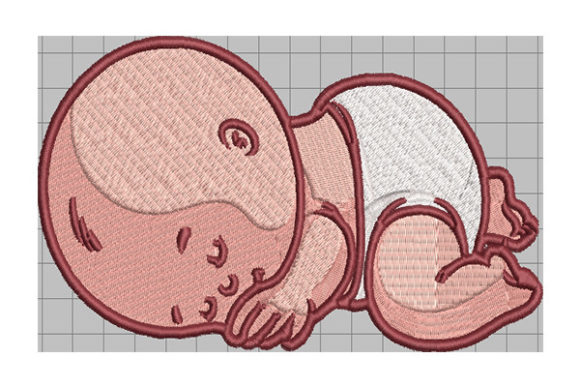
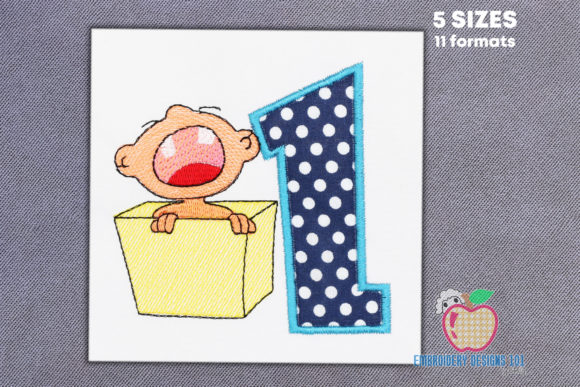
The layout of The Little Baby Crying in the Box is compact but detailed. It relies heavily on the contrast between the subject and the container. In terms of visual personality, it is bold. It does not whisper; it speaks loudly about vulnerability. For an embroidery project intended for a commercial market, this level of emotional specificity requires careful consideration. You cannot slap this onto every product line without alienating a portion of your audience.
However, when placed correctly, the impact is undeniable. Imagine a high-quality, heavyweight canvas tote bag. If we stitch this design using soft, muted pastels against a dark charcoal background, the result is strikingly professional. It transforms a standard utility item into a conversation starter. The applique technique adds texture, which elevates the perceived value of the finished product. Customers often associate applique with durability and premium quality, making this a strong choice for items that need to withstand frequent use.
Real-World Application: A Case Study
Let me walk you through how I tested this design in a real scenario. I wanted to create a limited-run series of kitchen towels for a local artisan market. The goal was to move away from traditional floral motifs and offer something more contemporary. I selected a 6x10 hoop size for the design, as it allowed enough room for the details to breathe without feeling cramped.
I started by prepping a natural linen tea towel. The fabric texture was crucial here. Linen has a natural slub that interacts beautifully with the satin stitch areas of the design, creating a tactile depth that smooth cotton simply cannot match. I used a cutaway stabilizer to ensure the tension remained consistent across the dense fill areas. During the stitching process, I monitored the thread tension closely. Because the design features small, intricate details within the box shape, any slack in the thread would have ruined the definition of the baby's expression.
The final result was hauntingly beautiful. The design did not look like a cartoon; it looked like a piece of art. I displayed the towels alongside some plain aprons and sweatshirts at a craft fair. The reaction from passersby was immediate. People stopped to ask about the meaning behind the design. It sparked conversations about the challenges of new motherhood and the importance of acknowledging difficult emotions. This proved that The Little Baby Crying in the Box is not just a decoration; it is a medium for storytelling.
Apparel and Accessories Considerations
While the tea towel was a success, applying this design to apparel requires even more scrutiny. If you are planning to use this on a sweatshirt embroidery project, the placement is key. A large chest pocket might work well, but placing it on the back could feel overwhelming depending on the garment's fit. For a tote bag design, the vertical orientation fits perfectly, allowing the "box" element to sit naturally in the center of the panel.
I also considered using this for a custom embroidered patch. The clean lines of the box provide a perfect border for a patch application. However, if you intend to sell these as part of a larger clothing line, you must consider the demographic. This design appeals to a niche market that appreciates irony, realism, or social commentary. It is less suitable for traditional baby shower gifts where parents expect cheerful, bright imagery. Instead, think of it as a statement piece for a parent who values authenticity over cliché.
Technical Challenges and Fabric Limitations
No design is without its pitfalls, and The Little Baby Crying in the Box is no exception. One of the primary concerns is the stitch density. Applique designs often require multiple layers of stitching to secure the fabric pieces, which can lead to puckering if the stabilizer is not chosen correctly. On thin fabrics, such as lightweight jersey or sheer cotton, the weight of the stitches might cause the material to warp. Therefore, I strongly advise against using this on stretchy fabrics unless you have extensive experience with stretch stabilization techniques.
Another critical factor is color contrast. The design relies on the distinction between the baby figure and the box. If you attempt to stitch this on dark fabric using light threads, the detail might get lost. Conversely, light threads on dark fabric can sometimes appear too harsh, depending on the desired mood. I recommend testing the thread colors on scrap fabric before committing to the final product. A black and white mockup can also help you visualize the contrast levels without wasting expensive materials.
Small hoop sizes, such as a 4x4, present their own set of challenges. While the design comes in various sizes, compressing it into a smaller area can make the tiny details blurry. The eyes and hands of the figure are particularly delicate. If the resolution is too low, these features may merge into indistinct shapes, losing the emotional punch of the original artwork. Always verify the hoop size requirements against your machine's capabilities and the fabric you are using.
Commercial Viability and Brand Consistency
For those of us running a craft business or selling on platforms like Etsy, brand consistency is everything. Using a design like The Little Baby Crying in the Box signals a specific brand identity. It tells your customers that you are thoughtful, perhaps a bit alternative, and willing to tackle complex themes. This can build trust and loyalty among buyers who resonate with your message.
However, you must be mindful of licensing. Before selling any finished products featuring this design, confirm the terms of the digital embroidery file. Some licenses allow for commercial use, while others restrict the number of units you can produce. Ignoring these terms can lead to legal issues that could shut down a small shop overnight. Additionally, consider the longevity of the trend. While emotional storytelling is timeless, specific artistic styles can fluctuate in popularity. Ensure that this design aligns with your long-term vision rather than just a fleeting impulse.
Final Thoughts on Stitch Quality and Presentation
In conclusion, The Little Baby Crying in the Box is a powerful tool in the arsenal of any serious embroidery designer. It is not a filler design to be used sparingly; it is a centerpiece that demands attention and respect. When executed with care, proper stabilizers, and the right fabric choices, it produces a finished product that stands out in a crowded marketplace.
I urge all makers to test this design thoroughly. Check the stitch density in the fill areas. Inspect the corners for any loose threads. Run a wash test to ensure the applique holds up over time. By taking these practical steps, you ensure that your handmade product reflects the high standards you set for yourself. Whether you are creating a personalized gift for a friend or a boutique product for your online store, this design offers a unique opportunity to connect with your audience on a deeper level. Just remember: the best embroidery is not just about how it looks, but how it makes people feel.