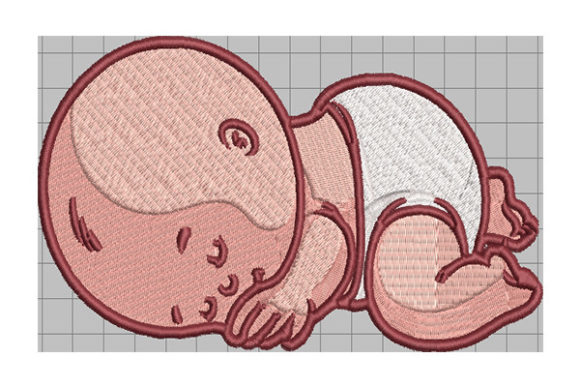
Sleeping Baby Design Review for Small Business Merch
As an experienced embroidery designer who has spent years refining designs for commercial use, I approach every new digital file with a critical eye. When evaluating Sleeping Baby, my primary focus is not just on how pretty it looks on a screen, but on its viability as a core asset for small business merchandise and branded patches. The product description highlights that this machine embroidery design comes with multiple formats, which is a strong starting point for versatility. However, the true test lies in how it translates to physical products like caps, tote bags, aprons, and custom apparel.
The first impression of Sleeping Baby is one of warmth and approachability. In the crowded marketplace of handmade goods and boutique branding, this design feels friendly rather than overly corporate or starkly modern. It carries a gentle, playful personality that suggests a brand built on care and community. For businesses in the bakery, floral, pet care, or creative studio sectors, this visual tone can be incredibly effective. It signals to customers that the brand values comfort and human connection. Yet, for a professional review, we must look beyond the aesthetic appeal to the technical execution required for high-quality embroidered patch production and durable garment decoration.
Real-World Application in Commercial Projects
When considering Sleeping Baby for actual business use, the possibilities are extensive. Imagine a local café using this design on staff aprons to create a welcoming atmosphere for customers. The soft nature of the motif fits perfectly with the hospitality industry, turning a standard work uniform into a piece of branded storytelling. Similarly, for a boutique selling handmade goods, this design could serve as a subtle chest logo accent or a decorative element on the side of a tote bag. It acts as a signature mark that distinguishes your small business merch from generic factory items.
The design also shines as a component of a larger brand identity system. If you are an Etsy seller or a craft business owner, Sleeping Baby can be integrated into product packaging accents or used as a label sewn into the hem of clothing. Its versatility allows it to function as a standalone logo for a baby-related brand or as a charming secondary graphic for a broader lifestyle brand. For event merchandise, such as a baby shower or a family-oriented festival, this design offers immediate recognition and emotional resonance. It transforms a simple cap embroidery project into a keepsake item that customers are eager to wear and display.
Strategic Placement and Brand Value
Using Sleeping Baby effectively requires understanding where it adds value and where it might dilute your message. On a heavy-duty work shirt or a rugged outdoor jacket, the delicate nature of the design might get lost unless the stitch density is carefully managed. However, on lighter fabrics like cotton tees, linen totes, or soft fleece hoodies, the design excels. It enhances the perceived value of the finished product by adding a layer of artisanal quality. Customers often associate intricate, well-executed embroidery with higher price points and better craftsmanship. By incorporating this design, you signal that your brand pays attention to detail, which fosters customer trust and encourages repeat purchases.
Furthermore, the design supports visual consistency across different channels. Whether it appears on a digital printable mockup for your website or stitched onto a physical hat, maintaining the integrity of Sleeping Baby ensures that your brand remains recognizable. This consistency is crucial for building a loyal following. When a customer sees the same high-quality embroidery on a tote bag they bought at a market and a cap they purchased online, it reinforces the authenticity of your brand identity.
Critical Considerations for Production Success
While the potential is high, there are specific areas where Sleeping Baby requires careful handling to ensure professional results. One of the most common pitfalls in commercial embroidery is attempting to scale a detailed design down too far. If you plan to use this as a tiny patch on a child's backpack or a small logo on a pen, you must verify the minimum size requirements. Tiny lettering or fine outlines within the design may become illegible if the stitch count is too low or the fabric texture is too coarse.
Curved surfaces, such as the front panel of a baseball cap, present another challenge. The natural curvature of the cap can distort the proportions of the design if not hooped correctly. A design that looks balanced on a flat hoop may appear stretched or compressed when applied to a curved surface. It is essential to test the Sleeping Baby design on a sample cap before committing to a large production run. Additionally, dark uniforms require special attention to thread color contrast. Lighter threads may not show up vividly against black or navy fabric without adequate underlay stitches, which can increase the overall weight of the embroidery and affect the drape of the fabric.
Frequent washing is another factor to consider for items like aprons and work shirts. Designs with high stitch density can sometimes cause fabric puckering over time, especially if the wrong stabilizer is used. To maintain the crispness of the embroidery file, you must select the appropriate stabilizer for the specific fabric texture. Heavyweight tear-away or cut-away stabilizers are often necessary for stretchy knits, while lightweight stabilizers work best for stable wovens. Neglecting these technical details can lead to a poor customer experience, where the design degrades after only a few washes.
Essential Designer Notes for Business Owners
Before integrating Sleeping Baby into your commercial workflow, there are several practical steps every designer should take. First, always test the design in black and white. This helps you visualize the stitch density and spacing without the distraction of thread colors. If the design relies heavily on color changes to define shapes, converting it to monochrome will reveal any potential weaknesses in the structure.
Second, check the available file formats. The description mentions multiple formats, which is excellent for compatibility with different machines. However, you must confirm that the files include the necessary layers for commercial embroidery. Ensure that the digitizing includes proper pull compensation and underlay to prevent distortion. Third, inspect the spacing closely. Crowded elements can look messy when embroidered, so ensure there is enough negative space between the main motifs.
Confirm the recommended hoop size and compare the design beside other assets in your library to ensure visual harmony. If you are creating a cohesive collection, the style and complexity of Sleeping Baby should match your other design assets. Finally, create a printable mockup for client approval. Showing a realistic representation of the final product on the intended fabric helps manage expectations and reduces the risk of costly rework. Most importantly, confirm the commercial licensing terms. Just because you own the file does not automatically grant you the right to sell products bearing the design. Always verify that the license covers the specific volume and type of merchandise you intend to produce.
In conclusion, Sleeping Baby offers a compelling option for small business owners looking to elevate their custom apparel and branded accessories. Its friendly aesthetic and potential for versatile application make it a valuable addition to any designer's toolkit. However, success depends on rigorous testing, proper technical setup, and a clear understanding of the limitations regarding size and fabric. By treating this design with the same professional scrutiny as any other major brand asset, you can ensure that your handmade product lines remain high-quality, consistent, and memorable.