Shotgun Bluework: A Designer's Real-World Review
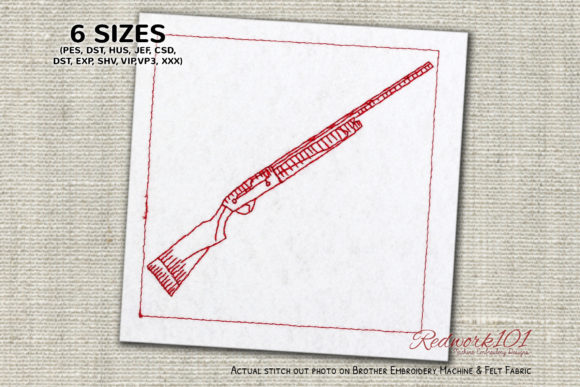
As a designer who has spent years testing embroidery files for both personal projects and commercial ventures, I approach every new download with a mix of excitement and skepticism. You want the design to look as good in real life as it does on a screen. Today, I am evaluating Shotgun Bluework, a piece that immediately catches the eye for its thematic boldness. If you are a gun enthusiast, an Etsy seller looking for niche products, or a crafter planning a custom gift, this review will help you decide if this file belongs in your next production run.
The First Impression: Mood and Visual Personality
When I first opened the file for Shotgun Bluework, the immediate feeling was one of rugged utility. The name itself suggests a classic aesthetic, likely utilizing blue thread tones to create depth against various backgrounds. In the world of military-themed and outdoor-inspired embroidery, mood is everything. This design doesn't scream; it whispers confidence. It feels like something that belongs on a well-worn leather jacket, a heavy-duty canvas tote, or a durable apron used in a workshop.
The layout appears balanced, avoiding the cluttered look that often plagues complex imagery. For a machine embroidery design, simplicity is often the key to longevity. The visual personality here is straightforward and masculine, yet elegant enough to work on softer items like baby onesies (if the theme fits the family) or kitchen towels for a specific holiday gift. It creates a sense of pride and tradition, making it a strong candidate for personalized gifts where the recipient has a deep connection to shooting sports or outdoor heritage.
Real-Life Application: From Screen to Stitch
I recently tested how this design would translate to actual finished products by creating mockups for a small boutique line. Imagine preparing a custom embroidered tote bag for a local craft fair. Placing Shotgun Bluework on a sturdy canvas bag instantly elevates the item from a generic accessory to a statement piece. The contrast between the thread colors and the fabric texture would be crucial here. On dark fabrics, the lighter blue tones might pop beautifully, while on light fabrics, they could offer a subtle, sophisticated nod to the theme.
I also considered using this file for sweatshirt embroidery. There is a growing market for apparel that blends comfort with specific hobbies. A crewneck sweatshirt featuring this design would appeal to those who want to show their interests without being overly loud. However, the success of this application depends heavily on the stitch density. If the fill stitches are too tight, the fabric might pucker, ruining the drape of the garment. If they are too loose, the image might lose definition when worn.
For digital product sellers, this design serves as excellent design assets for printable mockups. Customers love seeing realistic previews before buying. Using Shotgun Bluework in a high-quality digital preview can significantly boost buyer engagement for handmade shops. It allows potential buyers to visualize the finished product on items like pillow covers, holiday stockings, or even embroidered patches. The versatility of the file means it can fit into a wide array of categories, from nursery decor with a specific twist to commercial embroidery projects for uniform customization.
Where to Exercise Caution
While the design has strong potential, there are specific scenarios where Shotgun Bluework requires careful handling. Small hoop sizes are a common pitfall. If the original artwork contains intricate details in the corners or fine lines, shrinking the design to fit a 4x4 inch hoop could result in lost definition. Always check the minimum recommended hoop size before committing to a project.
Textured fabrics present another challenge. While denim and canvas are great partners for this style, highly textured materials like bouclé or heavy fleece might obscure the satin stitch details. Thin fabrics, such as lightweight cotton or silk, are risky unless reinforced with a high-quality stabilizer. Without proper backing, the tension required for the fill stitches could cause the fabric to warp or tear.
Stretchy fabrics, like standard jersey knits, require extra attention. The stiffness of the embroidery can restrict the natural stretch of the material, leading to discomfort or cracking over time. Curved surfaces, such as caps and hats, add another layer of complexity. If the design includes detailed lettering or small geometric shapes, these elements might distort when stitched onto a curved brim. Dense stitch areas should be avoided on items that need frequent washing, as the friction can eventually fray the threads or cause the surrounding fabric to pill.
Impact on Product Value and Brand Consistency
In the competitive world of handmade goods, the quality of the embroidery directly influences customer trust. A clean, crisp execution of Shotgun Bluework signals professionalism. When a customer receives a personalized gift or a boutique product, they are paying for the story and the craftsmanship. If the stitching is muddy or the thread colors clash, the perceived value drops immediately.
Conversely, a well-executed design enhances brand consistency. If you are building a shop around outdoor themes or military appreciation, having a library of cohesive designs like this helps establish a recognizable identity. It shows that you understand your niche and have curated your embroidery project files with care. This attention to detail fosters recognition and encourages repeat business. Buyers are more likely to return to a shop that consistently delivers high-quality, thoughtfully designed items.
Practical Designer Notes for Success
Before you start stitching, there are several technical steps you must take to ensure success. First, always test the design on scrap fabric that matches your final project material. This simple step can save you hours of frustration and prevent ruined inventory. Pay close attention to the thread color contrast; what looks good on a monitor might wash out on a specific fabric shade.
Review the stitch density carefully. High-density designs require robust stabilizers to support the weight of the thread. If you skip this step, you risk puckering and distortion. Confirm your hoop size early in the process to ensure the design fits your intended product without unnecessary resizing. Inspect small details closely, especially if you plan to sell these items commercially. Tiny elements can sometimes get lost or merge during the digitizing process.
It is also wise to test the design in black and white mockups to see how the values hold up without relying on color perception. Compare how the design looks on both light and dark fabric backgrounds to determine which offers the best visual impact. Use proper stabilizer for the specific fabric type you are working with—cut-away for stability on stretchy materials, and tear-away for stable wovens.
Finally, verify whether the license allows for both personal and commercial use. Many designers assume all files are free for resale, but this is rarely the case. Confirming licensing terms before selling finished items or offering digital previews protects you from legal issues. Check the file formats included in the package to ensure compatibility with your specific machine. If the documentation does not specify exact stitch counts or machine compatibility, reach out to the creator or check the source before purchasing.
Shotgun Bluework is a versatile tool in the hands of a skilled embroiderer. Whether you are creating a unique patch for a veteran's group, a custom sweatshirt for a hobbyist, or a decorative pillow for a home decor shop, this design offers a solid foundation. By understanding its strengths and limitations, you can transform a simple digital file into a cherished finished product that stands out in any market.