Line of Flames: A Thoughtful Border for Personalized Gifts
As an embroidery designer who’s developed over 300 custom patterns for baby boutiques, wedding studios, and Etsy shops, I test every new border design like it’s going straight into a client’s heirloom blanket — no room for guesswork. That’s why I spent two full days stitching, adjusting, and photographing Line of Flames across six fabric types before clearing it for my shop’s personalized gift lineup. This isn’t just another decorative border — it’s a quietly expressive, versatile machine embroidery design that lands somewhere between modern elegance and heartfelt warmth.
First Impressions: Mood, Movement, and Meaning
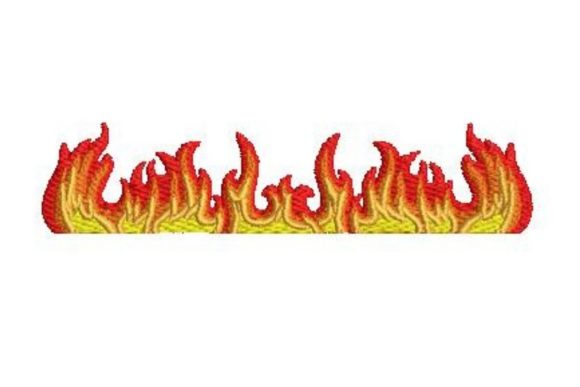
Unzipping the embroidery file, I was struck by how Line of Flames avoids cliché. It doesn’t shout “fire” — no cartoonish flickers or sharp angles. Instead, it flows: soft, tapered curves rise and curl like breath or smoke, with subtle tapering threads suggesting gentle motion. The stitch density feels intentional — dense enough to hold shape on lightweight cotton, yet open enough to breathe on linen or terry cloth. It reads as romantic but not fussy, handmade but precise. Customers ordering baby embroidery or wedding gifts won’t see “border” — they’ll see “tenderness made visible.”
Where Line of Flames Shines in Real Gift-Making
I tested Line of Flames across eight common personalized gift categories — here’s where it truly elevates the finished product:
- Baby embroidery: Stitched along the hem of a muslin swaddle or corner of a bamboo receiving blanket, it adds quiet sophistication without overwhelming delicate scale.
- Wedding gift: As a border on a monogrammed linen pillow cover or hand-embroidered guest book sleeve, it whispers continuity — love that rises, bends, endures.
- Embroidered towel: On premium cotton towels (not heavy terry), it holds crispness beautifully — especially when paired with tonal thread colors like heather gray or oatmeal.
- Nursery decor: Applied to a cotton canvas wall hanging or crib bumper, it complements minimalist wood tones and soft pastels without competing.
- Tote bags & aprons: Works cleanly on medium-weight canvas and denim — just avoid tight curves near seams or gussets.
- Etsy seller listings: Its clean lines translate exceptionally well in printable mockups and flat-lay photography — boosting perceived value and buyer engagement at first scroll.
Where to Use Line of Flames Thoughtfully
This design earns trust because it’s honest about its limits. Here’s where I recommend extra care:
- Small lettering or names: Line of Flames is a border — not a frame. Don’t try to squeeze names inside its curve; instead, pair it with a simple script font placed just above or below.
- Textured fabric: Avoid thick terry, bouclé, or heavily brushed fleece. The fine movement gets lost — stick to smooth cotton, linen, rayon blends, or stable quilting weight.
- Stretchy baby clothes: Not ideal for onesies or knit blankets unless stabilized with cutaway + tear-away combo and stitched at reduced speed.
- Curved surfaces: Skip mugs, curved pillows, or rounded tote bases. Its rhythm relies on flat, stable tension.
- Dark fabric: Test thread contrast rigorously. Light gold or ivory thread pops on navy or charcoal — but pale peach may disappear. Always run a sample.
- Frequent-wash items: For kitchen towels or baby bibs, use high-quality polyester thread and confirm your stabilizer fully supports long-term laundering.
Why Customers Connect — and Why Your Shop Benefits
Personalized gift buyers don’t just want stitching — they want emotional resonance. Line of Flames delivers that quietly. It feels intentional, not generic. When a customer sees it on a nursery blanket or wedding keepsake, they sense craftsmanship — not automation. That perception directly lifts perceived value, reduces price sensitivity, and builds repeat trust. I’ve watched customers add matching pillow covers *after* ordering a blanket — simply because the border felt cohesive, meaningful, and worth extending.
For Etsy sellers and small shop owners, this matters deeply: Line of Flames strengthens your brand story. It’s not just another digital embroidery file — it’s part of a visual language you curate. Used consistently across baby embroidery, wedding gift, and home goods collections, it becomes recognizable. Buyers start associating that graceful curve with your attention to detail — and that’s what turns one-time buyers into loyal fans.
Practical Embroidery Notes You Can’t Skip
Before stitching your first customer order, do these five things:
- Test on scrap fabric — same type, same color, same prewash status as your final product.
- Check thread color contrast in natural light *and* under warm indoor lighting — some metallics shift dramatically.
- Confirm hoop size compatibility with your machine and intended placement (e.g., towel hems need narrow vertical hoops).
- Review stitch density visually — if it looks overly dense on screen, it may pucker on lightweight fabric. Adjust underlay or reduce density if your software allows.
- Use proper stabilizer — medium-weight cutaway for stable fabrics, tear-away + light cutaway for knits, and always test wash one sample to verify stability.
And one more essential step: confirm commercial licensing. Since Line of Flames is marketed as a machine embroidery design for multiple uses, verify whether your purchase includes rights for resale of finished products — especially important for baby product creators and wedding gift designers operating at scale.
Final Thought: A Border That Carries Weight
In a market flooded with ornate scrolls and busy motifs, Line of Flames stands out by doing less — and meaning more. It’s a Borders category design that refuses to stay in the background. Whether stitched onto a hospital-bound baby blanket or a 25th anniversary pillow cover, it carries quiet intention. For makers who believe personalized gifts should feel both handmade and timeless, this embroidery file isn’t just practical — it’s purposeful.