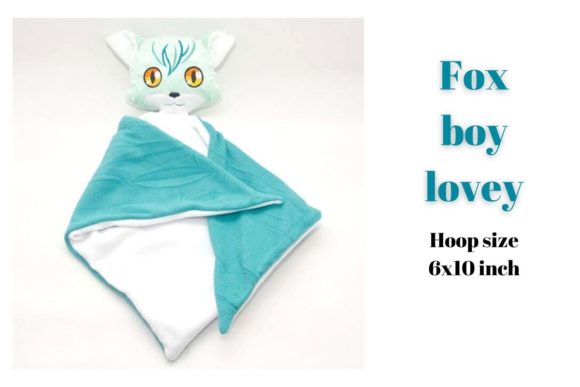
Fox Lovey Boy: A Warm, Whimsical Embroidery Design for Meaningful Gifts
First Impressions: Sweet, Handmade Charm with Quiet Confidence
As an embroidery designer who’s tested hundreds of woodland-themed files for baby boutiques and wedding gift studios, Fox Lovey Boy landed on my hoop with immediate appeal. It’s not fussy or overly detailed—instead, it radiates gentle playfulness and quiet tenderness. The fox’s rounded ears, soft muzzle, and slightly tilted head evoke comfort and curiosity, not cartoonish exaggeration. There’s a handmade warmth to the line work and subtle layering that reads as intentional, not rushed. It feels classic enough for heirloom blankets yet fresh enough for modern nursery decor or minimalist tote bags. Customers drawn to Woodland Animals will recognize its sincerity—it’s sweet without saccharine, elegant without stiffness, and undeniably personal.
Where Fox Lovey Boy Truly Shines in Real-World Gifting
This machine embroidery design adapts beautifully across high-demand personalized gift categories. For baby embroidery, it’s ideal on organic cotton swaddles, muslin loveys, and knit blanket corners—its moderate scale and balanced stitch density hold up well on soft, breathable fabrics. As a wedding gift, Fox Lovey Boy adds quiet poetry to linen pillow covers for the couple’s first home, or embroidered kitchen towels gifted to newlyweds who love rustic charm. I’ve used it on custom aprons for baker friends and on cotton-linen tote bags for baby shower favors—each time, it elevated the item from functional to meaningful.
For Etsy sellers and small shop owners, Fox Lovey Boy is a quiet sales accelerator. Its emotional resonance helps listings stand out in crowded “personalized gift” searches. When paired with a handwritten note explaining the woodland symbolism—loyalty, intuition, gentle protection—it deepens buyer engagement and justifies premium pricing. Craft fair shoppers linger longer over displays featuring this design on folded blanket samples or framed pillow covers. And for digital product sellers offering printable mockups? Fox Lovey Boy photographs exceptionally well—its clean outlines and friendly shape translate clearly even in flat-lay shots on neutral backdrops.
Smart Application: Knowing When—and Where—to Stitch
Like any thoughtful embroidery file, Fox Lovey Boy performs best when matched intentionally to fabric and function. It excels on stable, medium-weight cottons, linens, and quilting fabrics—perfect for pillow covers, embroidered towels, and nursery wall hangings. Avoid using it on highly textured terry cloth (like thick bath towels), where fine details may disappear, or on stretchy knits like newborn onesies unless you use excellent cutaway stabilizer and reduce stitch density manually.
Curved surfaces—think mugs with fabric sleeves or rounded baby bibs—require careful hooping and possibly repositioning mid-stitch. On dark fabric, test thread colors thoroughly: light tans, warm greys, or creamy ivories often read more softly than stark white. And while Fox Lovey Boy is described as “nice and easy to stitch,” don’t skip the test run—especially if your customer ordered a blanket embroidery for frequent washing. Gentle agitation can loosen under-stitched areas if stabilizer choice or stitch density isn’t optimized.
Practical Notes Every Embroiderer Should Confirm Before Stitching
- Test on scrap fabric first—especially if pairing with new thread brands or unfamiliar stabilizers.
- Check thread color contrast on both light and dark fabric swatches; subtle tonal shifts enhance depth but can vanish on low-contrast combos.
- Confirm hoop size compatibility—a design this expressive needs breathing room; avoid cramming into undersized hoops.
- Review stitch density before scaling—Fox Lovey Boy’s charm lies in its balance, not heaviness. Overly dense stitching flattens its gentle texture.
- Match stabilizer to end-use: tear-away for stable cottons, cutaway for knits or items needing durability, and lightweight fusible for delicate linens.
- Compare light/dark fabric mockups side-by-side—not just for visibility, but for perceived warmth and mood shift.
- Inspect small details post-stitch: ears, whisker lines, and eye highlights should remain crisp; if they blur, adjust tension or stabilizer weight.
- Verify commercial licensing before selling finished products—this is essential for Etsy sellers, baby product creators, and wedding gift designers using Fox Lovey Boy in client orders.
Why Fox Lovey Boy Builds Trust—and Turns Browsers Into Buyers
In a market saturated with generic clipart-style animals, Fox Lovey Boy signals care. Its thoughtful proportions and organic flow tell customers you didn’t just slap on a logo—you chose something resonant. That perception directly lifts perceived value: a $45 embroidered towel feels like a keepsake, not a commodity. Parents ordering baby embroidery trust that this fox carries intention, not algorithm. Wedding gift buyers imagine gifting something that will be tucked into a memory box years later. Even digital embroidery file buyers appreciate its versatility—they know one purchase supports dozens of small shop products, from nursery mobiles to custom aprons.
For handmade product sellers, Fox Lovey Boy quietly reinforces authenticity. It doesn’t scream “mass-produced”—it whispers “made with attention.” That builds repeat business. And for crafters previewing custom orders? A clean, well-stitched Fox Lovey Boy on a pillow cover sample does more convincing than three paragraphs of description.
A Final Thought for the Intentional Embroiderer
Fox Lovey Boy isn’t just another woodland animal embroidery file. It’s a bridge between craft and connection—a design that invites slowing down, choosing thoughtfully, and stitching meaning into everyday objects. Whether you’re prepping for a baby shower order, building an Etsy collection around nature-inspired themes, or designing wedding keepsakes with lasting soul, this machine embroidery design earns its place in your working library. Just remember: its quiet strength comes from how you steward it—through testing, thoughtful fabric pairings, and respect for the hands (and hearts) that will hold the finished product.