Cute Happy Kitten Redwork Review
As an experienced embroidery designer who spends weekends prepping booths for craft fairs and managing a busy handmade shop, I know that the difference between a design that sits in your digital folder and one that actually sells often comes down to visual impact and production practicality. Today, I am reviewing the Cute Happy Kitten Redwork design with a critical eye. This is not just about whether the file works; it is about how this piece will perform when stitched onto the products that customers are reaching for at a market table.
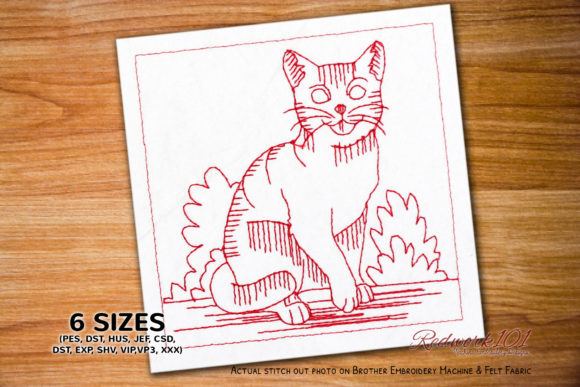
The concept of "Redwork" has seen a massive resurgence in the crafting world. It brings a rustic, farmhouse charm that appeals to buyers looking for something authentic rather than mass-produced. When I first looked at the description for Cute Happy Kitten Redwork, my immediate thought was about its versatility. The prompt mentions that "cat lovers out there must get this cute happy kitten embroidery on their outfits." While that is a standard call to action, the simplicity of redwork allows this specific design to transcend simple novelty items. It feels soft, minimal, and undeniably decorative. In a sea of colorful, complex machine embroidery designs, a clean redwork line art piece stands out because it offers a sophisticated contrast that photographs beautifully for online listings.
First Impressions and Visual Appeal
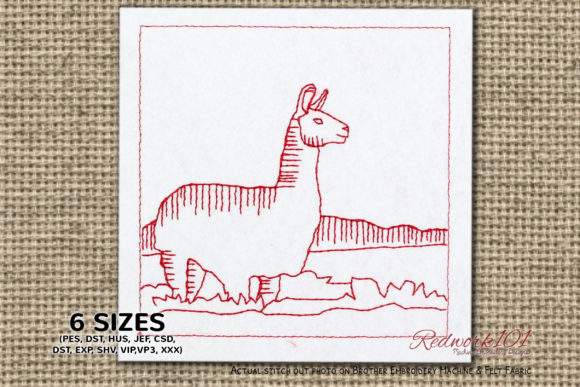
The first impression of Cute Happy Kitten Redwork is one of approachable elegance. Unlike dense, multi-colored fill stitches that can look heavy or cluttered, redwork relies on the beauty of the outline and the negative space. For a booth display, this is crucial. At a craft fair, customers scan tables quickly. A design that is too intricate might get lost from three feet away, but a clean redwork kitten catches the eye immediately due to its crisp lines. It strikes a balance between modern and rustic, making it suitable for a wide demographic ranging from young parents to vintage collectors.
The note about the optional stitch box and the variable outer box colors suggests flexibility. In my experience, this is a smart move for designers. If you are selling finished goods, having the ability to customize the background color (or omit the box entirely) means you can match the design to the fabric texture perfectly. Whether it is a natural linen tea towel or a dark denim tote, the redwork style adapts without losing its character. This adaptability is a key factor in brand consistency for any Etsy seller or boutique maker trying to build a recognizable aesthetic.
Product Performance: Where Does It Shine?
When evaluating Cute Happy Kitten Redwork as a craft fair product, we need to look at where it creates the highest perceived value. Based on my time testing various embroidery files, here is how this design performs across different categories:
- Tote Bags and Market Bags: This is perhaps the strongest category. A small, centered redwork kitten on a canvas tote bag looks professional and chic. It does not overwhelm the fabric like a large, heavy fill design might. It serves as a perfect accent that says "I love cats" without being loud.
- Apron Embroidery: For kitchen-focused sellers, this design is gold. Aprons are high-ticket items at craft fairs, and adding a playful yet elegant motif like this increases the sale price. The redwork style pairs exceptionally well with floral or gingham fabrics common in apron designs.
- Tea Towel Embroidery: Tea towels are a staple for handmade shops. The simplicity of the design ensures it remains legible even if the towel has a textured weave. It adds a touch of whimsy to a functional item, making it an ideal giftable handmade item.
- Embroidered Patches: If you plan to sell sew-on patches, redwork is incredibly cost-effective. It uses less thread and requires less digitizing complexity than full-color designs. A redwork kitten patch can be sold individually or attached to hats and bags, expanding your product line.
- Small Pouches and Pillow Covers: These smaller items require precise placement. The clean lines of Cute Happy Kitten Redwork ensure that the design does not get lost on a small surface area. It looks premium on a zippered pouch intended for cosmetics or sewing tools.
Production Practicality and Selling Strategy
For the embroidery business owner or digital seller, efficiency is everything. One of the biggest advantages of this design is its potential for batch production. Because redwork typically utilizes satin stitches or simple outlines, it generally runs faster than dense fill patterns. This speed translates directly to higher profit margins when you are churning out inventory for a weekend market.
Photographing these items for Etsy listings is another major win. Redwork captures light differently than filled areas. It reflects the texture of the fabric, which makes for high-quality images that show off the craftsmanship. Customers browsing online want to see the quality of the stitching, and the contrast of the thread against the fabric in a redwork design highlights that detail effectively.
However, not every application is created equal. There are specific scenarios where this design might struggle if not handled correctly. For instance, placing this on a curved cap surface requires careful attention to the curvature of the hoop. If the design is too large for a standard 4x4 hoop, the distortion on the sides of a cap could ruin the kitten's shape. Similarly, while redwork is generally forgiving, extremely thick fabrics or heavily textured towels can sometimes cause the stitches to sink or appear uneven.
Designer Notes for Success
Before you rush to print mockups or start your next production run, there are several technical checks you must perform to ensure the finished product meets your standards. As a fellow designer, I cannot stress enough the importance of testing.
- Test on Scrap Fabric: Always stitch a sample on the exact fabric you intend to use. Different weaves react differently to tension. What looks perfect on cotton poplin might pucker on a heavy linen.
- Check Thread Contrast: The description mentions the outer box color varies. Ensure your thread choice contrasts sharply with the fabric. If you are using a light red thread on a cream towel, the design may lose clarity. Darker threads usually provide better definition for redwork styles.
- Review Spacing and Hoop Size: Confirm the hoop size required for the design. If the design includes a border or box, ensure there is enough margin so the embroidery doesn't hit the edge of the garment. Poor spacing can make a professional item look amateurish.
- Inspect Stitch Density: Even though it is redwork, check the density settings in your digitizing software. Too much density can make the fabric stiff, especially on items like aprons that need to drape softly. Too little density can leave gaps in the lines.
- Use the Right Stabilizer: For items like tote bags or caps, a cut-away stabilizer is often necessary to prevent the design from distorting over time. For lighter items like pillow covers, a tear-away might suffice, but test both.
- Create Real Mockups: Don't rely solely on digital previews. Create at least one real physical sample to photograph. This helps you catch issues with lighting or thread sheen that a computer screen cannot show.
- Confirm Commercial Licensing: Before selling any commercial embroidery products featuring this design, verify the licensing terms provided by the creator. Some digital embroidery files allow personal use only, while others permit limited commercial sales.
Final Verdict
Cute Happy Kitten Redwork is a standout addition to any crafter's arsenal. Its blend of rustic charm and modern simplicity makes it highly marketable for small shop products and creative entrepreneurs. Whether you are selling at a local farmers market or running a global Etsy seller store, this design has the visual appeal to stop a customer in their tracks. By paying attention to fabric choices, stabilizer types, and proper testing, you can turn this simple redwork file into a best-selling line of handmade gifts and apparel. It proves that sometimes, less really is more when it comes to creating memorable embroidery pieces.