Cute Fluffy Llama Redwork Design Review
When I first opened the file for the Cute Fluffy Llama Redwork Design, my immediate reaction was a sense of calm. In a market saturated with complex, multi-color applique and dense fill stitches, this piece stands out because of its simplicity. It captures that specific "wild animals" charm without needing a dozen thread colors to tell a story. As someone who has spent years evaluating digital assets for both personal hobbies and commercial boutique lines, I know that the best designs often come in the form of clean outlines waiting to be brought to life.
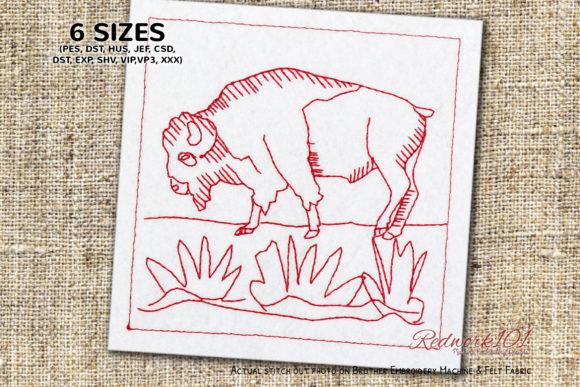
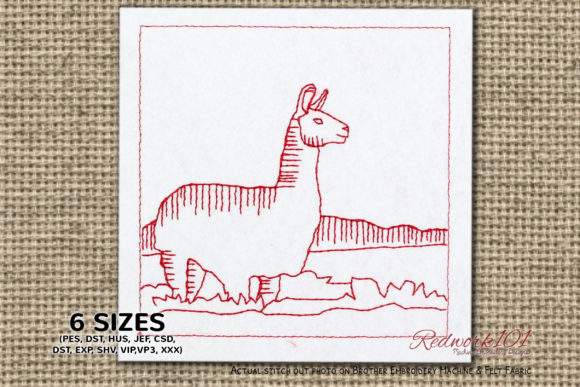
This design features an adorable llama standing on a field with a cute expression on its face. The redwork style—typically executed in a single color outline—offers a vintage aesthetic that feels timeless. What makes this particular embroidery file interesting is the inclusion of an optional box stitch. While many designers leave these elements as mere borders, the option to add a defined outer box allows for flexibility depending on whether you are creating a standalone patch or integrating the motif into a larger garment layout. The fact that the color of the outer box can be adjusted suggests a thoughtful approach to layering, even within a monochromatic framework.
Real-World Application: From Screen to Stitch
I recently tested this design while preparing a custom order for a small business client who needed personalized tote bags for a summer craft fair. The goal was to create something approachable and whimsical that would appeal to families and children. The Cute Fluffy Llama Redwork Design fit the brief perfectly. Unlike heavy satin stitch designs that can make fabric stiff, this outline-based approach allowed the cotton canvas of the tote bag to remain soft and pliable.
The stitching process was straightforward. Because the design relies heavily on running stitch and satin stitch for the facial details, it requires minimal thread changes. This is a crucial factor for anyone running a production line or working on tight deadlines. When I stitched it onto a natural linen background using a deep terracotta thread, the result was striking. The contrast was subtle yet distinct, giving the finished product a high-end, artisanal feel rather than a mass-produced look. Customers at the fair immediately gravitated toward the items featuring this design, noting that the simple outline felt more "handmade" than complex, colorful graphics.
Where This Design Shines
If you are looking to expand your inventory of handmade products, this design is incredibly versatile. It translates beautifully across various categories:
- Custom Apparel: It works exceptionally well on sweatshirts and t-shirts. The clean lines prevent the fabric from bunching, which is common with dense fills on knit materials.
- Baby Items: For baby clothes or nursery decor, the gentle curves of the llama create a soft visual that parents love. It is safe for sensitive skin due to the lack of heavy, raised stitching.
- Kitchen Textiles: Imagine this design on a tea towel or apron. The redwork style mimics the look of traditional cross-stitch patterns but with the durability of machine embroidery.
- Holiday Gifts: During the winter season, this design can be adapted with festive thread colors like emerald green or burgundy to create unique holiday gifts without losing its core identity.
For Etsy sellers and digital product creators, this design serves as a fantastic asset. You can use it to create printable mockups that showcase how the embroidery looks on different fabric textures. The versatility allows you to target multiple niches, from crafters looking for a new project to boutique owners seeking consistent branding.
Practical Considerations and Limitations
While the Cute Fluffy Llama Redwork Design is excellent, no design is without its challenges. As an experienced reviewer, I must point out where caution is required. First, consider the hoop size. If you attempt to stitch this on a very small hoop, such as those used for caps or wrist cuffs, the spacing might become too tight, causing the running stitches to merge and lose definition. Always check the dimensions before committing to a small project.
Fabric choice is equally critical. This design performs best on stable, woven fabrics. If you try to stitch this on highly textured fabrics, thin linens, or stretchy knits without proper stabilization, the outline may pucker or distort. The field area, where the llama stands, might need extra attention if you are using a stabilizer that isn't rigid enough. For curved surfaces like baseball caps, the flat nature of the design might not follow the curvature of the brim well, potentially leading to uneven tension.
Additionally, if you plan to use this on dark fabric, the visibility will depend entirely on your thread selection. A standard white outline might get lost on navy or black material. You would need to select a high-contrast thread color to ensure the cute expression remains visible. Furthermore, for products that require frequent washing, such as kitchen towels or daily wear apparel, ensure that the stitch density is sufficient to withstand abrasion. While redwork is generally durable, checking the stability of the final product after a wash cycle is always a smart move.
Design Notes for Professional Results
To get the most out of this embroidery project, I recommend following a few practical steps before starting your main production run. Test the design on scrap fabric first to gauge the thread tension and see how the optional box stitch interacts with your chosen background. Review the stitch density to ensure there are no gaps in the outline that could snag during finishing.
Inspect the small details, particularly around the facial features, to confirm they hold up well in your specific machine setup. It is also wise to test the design in black and white mockups to verify that the shape reads clearly regardless of the thread color you eventually choose. Comparing light and dark fabric backgrounds will help you decide on the best color palette for your brand consistency.
Using the proper stabilizer is non-negotiable. Whether you are making a commercial embroidery item or a personalized gift for a friend, the right backing prevents distortion. Finally, before selling finished items or digital products, confirm the licensing terms associated with the file. Some designs allow for unlimited commercial use, while others restrict the number of units you can sell. Ensuring you have the correct permissions protects your small shop product business and maintains professional integrity.
Final Thoughts on Visual Appeal and Value
The Cute Fluffy Llama Redwork Design brings a level of charm that resonates with buyers looking for authenticity. In a sea of generic clip art, a well-executed embroidery file creates a tangible connection between the maker and the user. The design affects visual appeal by offering a classic, understated elegance that elevates the perceived value of any finished product. Whether it ends up on a boutique branding tag or a heartfelt wedding gift, the quality of the stitching speaks volumes about the care put into the creation.
For creative entrepreneurs and hobbyists alike, this design offers a balance of ease and impact. It is not just a graphic; it is a functional tool for building a brand. By understanding the nuances of how it stitches, where it fits best, and how to avoid common pitfalls, you can transform a simple digital file into a cherished physical object. If you are ready to start your next embroidery project with confidence, this llama design is a strong candidate for your collection.