Tear Face Yellow Emoji Review
I have spent the last decade designing for the high-energy world of craft fairs and handmade markets. I know exactly what makes a customer stop in their tracks, pick up a tote bag, and ask, "Where can I get this?" Recently, I received a new machine embroidery design called the Tear Face Yellow Emoji, and I immediately started visualizing it on my weekend booth table. As an experienced designer reviewing this piece before turning it into a sellable handmade product, I want to share my honest take on its potential.
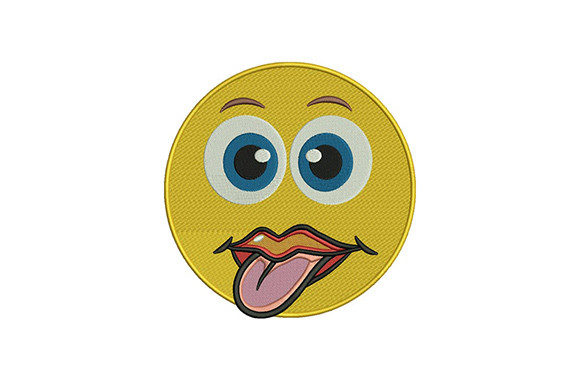
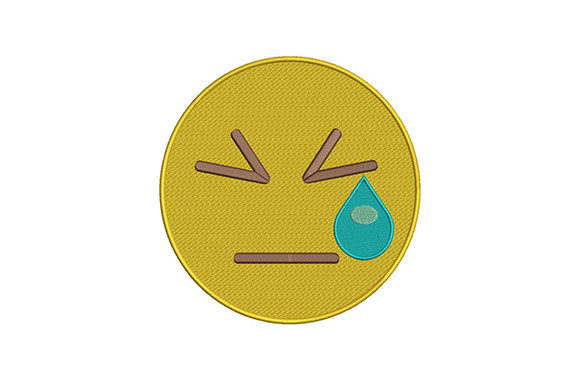
The first impression of the Tear Face Yellow Emoji is undeniably bold yet approachable. It strikes a perfect balance between modern digital culture and traditional stitching. When you look at the description, which invites you to "explore your creativity," it feels like a playful addition to any collection. It isn't trying to be farmhouse rustic or overly elegant; instead, it leans into fun, funny, and contemporary vibes. For an Etsy seller or boutique maker looking to add personality to their inventory, this design has that immediate "wow" factor that works exceptionally well as a focal point.
Visual Impact on Craft Fair Products
Imagine setting up your display table with a variety of items: sturdy canvas tote bags, classic white aprons, linen tea towels, and structured caps. Where does the Tear Face Yellow Emoji stand out? On a plain white tea towel, the bright yellow pops vibrantly, creating an instant conversation starter about emotional expression in a lighthearted way. It transforms a standard kitchen item into a giftable piece of art.
For apron embroidery, placing this design near the pocket or across the bib area adds a touch of humor that resonates with bakers and home cooks. The design works beautifully as a small accent on a fabric pouch or a larger statement piece on a market bag. Because it is a single, cohesive icon, it photographs incredibly well for online listings. A close-up shot of the embroidered patch version against a denim background will catch the eye in a crowded digital feed, making it a strong asset for an Etsy seller building their brand.
The versatility extends to pillow covers and small gift sets. When grouped with other designs from the "Friends" category, it creates a narrative of shared emotions, making it perfect for themed collections. Whether you are selling commercial embroidery products or creating one-of-a-kind small shop products, this design offers a high perceived value because it looks custom-made and professionally stitched.
Production Practicality and Batch Selling
From a production standpoint, the Tear Face Yellow Emoji is a smart choice for batch manufacturing. One of the biggest challenges for craft fair sellers is efficiency. If a design is too complex, it slows down the machine and increases the risk of errors. This emoji appears to have clean lines and defined shapes, which suggests it should stitch quickly and consistently. This repeatability is crucial when you need to produce ten identical tote bag designs for a Saturday morning event.
It also serves as an excellent test for printable mockups. Before committing to expensive materials, you can visualize how the yellow thread interacts with different fabric textures. The design feels substantial enough to hold its shape on thick fabrics but delicate enough not to overwhelm smaller items like caps. For digital sellers offering digital embroidery file downloads, this type of universally recognized symbol ensures a broad appeal to your customer base.
Critical Considerations for Success
However, every designer knows that good intentions need technical execution. There are specific areas where you must exercise caution with the Tear Face Yellow Emoji to ensure the finished product meets professional standards. First, pay close attention to the stitch density. Emojis often contain small details like the teardrop or the curved mouth. If the density is too high, the fabric might pucker, especially on lightweight cottons used for tea towels. Conversely, if it is too low, the image may lose definition.
You must also consider the hoop size relative to the final placement. A design that fits perfectly in a 4x4 hoop might look awkward on a large tote bag if not scaled correctly. Always check the recommended dimensions in your embroidery file metadata. Additionally, thread contrast is paramount. While the yellow is bright, ensure you have a thread color that provides enough contrast against dark fabrics. On navy blue or black material, a lighter yellow might get lost without a proper underlay or contrasting outline.
Textured fabrics, such as heavy terry cloth or boucle, present another challenge. The fabric texture can sometimes obscure tiny details, so testing on scrap pieces of your actual inventory is non-negotiable. Similarly, curved surfaces like baseball caps require careful digitization to ensure the tears don't stretch unnaturally over the curve. If the design includes any lettering or text, verify that it remains legible at smaller sizes, as small text can easily become a blur on a busy market table.
Designer Notes for Professional Results
To guarantee the highest quality finished product, I recommend following these practical steps before hitting the sales floor:
- Test on scrap fabric: Never run a full production order without stitching the Tear Face Yellow Emoji on a sample piece of your intended material to check tension and registration.
- Check thread colors: Compare your chosen yellow thread against the screen representation to ensure the brightness translates accurately in real life.
- Review spacing: Ensure there is adequate margin around the design so it doesn't look cramped on the edge of a tote or apron.
- Confirm hoop size: Verify that your machine's hoop can accommodate the design dimensions without cutting off parts of the image.
- Inspect stitch density: Look for areas where stitches might overlap excessively, causing bulkiness, or gaps that leave the fabric visible.
- Use the right stabilizer: Depending on the fabric weight, select a cut-away or tear-away stabilizer that supports the design without adding unwanted stiffness.
- Create at least one real mockup: Photograph the physical sample in natural light to use in your marketing materials, rather than relying solely on digital renders.
- Compare fabric colors: Test the design on at least three different colored fabrics to see which offers the best visual appeal.
- Confirm commercial licensing: Before selling any items featuring the Tear Face Yellow Emoji, double-check the license terms included with your design assets to ensure you are legally cleared for commercial use.
By taking these precautions, you protect your reputation as a creator of high-quality goods. The Tear Face Yellow Emoji has the potential to be a standout item in your catalog, bridging the gap between digital trends and tactile craftsmanship. It captures a moment of emotion that customers connect with, making it more than just a decoration—it becomes a statement piece.
Whether you are a seasoned veteran of the craft fair circuit or a new creative entrepreneur launching your first line, this design offers a fantastic opportunity to engage buyers. It is simple enough to mass-produce efficiently but expressive enough to feel unique. With the right preparation regarding thread colors, stabilizer choices, and fabric texture selection, the Tear Face Yellow Emoji can elevate your booth display and drive sales for your handmade business.