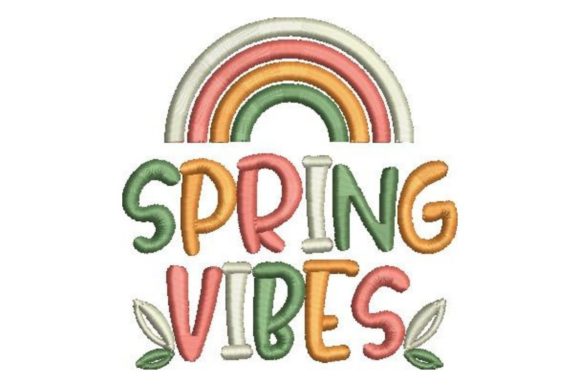
Spring Vibes Embroidery Design: Perfect for Craft Fairs?
First Impressions: What Sells the Moment a Customer Sees It
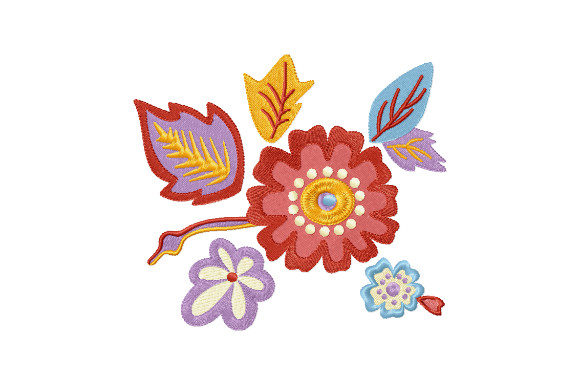
When I first read the title Spring Vibes, I immediately pictured a design that feels fresh, cheerful, and effortlessly wearable. From the description — “get the spring spirit with this wonderful design” — it’s clear this machine embroidery design was created to capture that light, optimistic energy people crave after a long winter. In my experience preparing a craft fair booth, designs with this kind of seasonal emotional pull are the ones that stop a shopper mid-stride. It doesn’t need to be overly complex; it just needs to feel right. Spring Vibes likely leans into botanical motifs, soft script, or playful graphic elements that read as cute, modern, and giftable. That immediate clarity is gold at a bustling handmade market: if a customer can glance at a tote bag or tea towel and instantly connect with the mood, you’ve already made half the sale.
I also love that the name itself works as a built-in branding element. At a craft fair, shoppers often ask “what’s the theme?” — Spring Vibes answers that question before you even say a word. The title suggests a design that’s decorative without being too fussy, which makes it a smart choice for both bold focal pieces and subtle accents across a variety of products. I’d expect a blend of floral shapes, maybe a bright sun or playful lettering — something that photographs well and creates a consistent spring collection for your table.
Putting Spring Vibes to Work on Craft Fair Products
One of the biggest strengths of any embroidery file is how adaptable it is across different handmade product categories. Spring Vibes feels like a design that thrives when you match it to the right surface. Here’s how I’d deploy it in my own booth displays and online shop:
- Tote bags and market bags: A classic canvas tote becomes a walking advertisement for your booth. Spring Vibes stitched large on the center panel gives shoppers an instant “I want that” feeling, especially when paired with pastel fabric colors.
- Apron embroidery: A half apron or full bib apron with this design adds just the right amount of personality. It’s a perfect pick for spring kitchen themes, farmer’s market seasons, or even Mother’s Day gifts.
- Tea towel embroidery: Towels are a craft fair staple. A well-placed Spring Vibes motif along the bottom hem or creatively off-center on a crisp linen towel elevates a $5 blank into a $22 handmade product that sells itself.
- Embroidered patches: If the design digitization allows for clean reduction, a patch version could attach to backpacks, jean jackets, or caps. You’ll need to watch stitch density on smaller patches to avoid a cardboard feel — more on that later.
- Caps and hats: Curved cap surfaces are trickier. Spring Vibes would likely work best as a left-chest or side accent rather than a large front panel design unless it’s specifically digitized for cap frames. Test placement carefully.
- Fabric pouches and zipper bags: These small items are impulse buys at checkout. A lightly stitched Spring Vibes on a linen or cotton pouch feels boutique and giftable, often with a high margin.
- Pillow covers and home décor: Toss pillows or simple envelope-style covers with this design bring spring indoors. They photograph beautifully for Etsy listings and draw attention at a booth display.
Production Reality: Stitch Quality, Hooping, and Fabric Choices
No matter how charming a digital embroidery file looks on screen, its real-world behavior dictates your success. Based on the description alone — without seeing the actual stitch map — here’s what I’d carefully check before committing to a dozen craft fair product units.
Thread colors and fabric contrast matter enormously. Spring Vibes implies light, airy color palettes: think mint, soft peach, powder blue, butter yellow. But those delicate threads can disappear on unbleached cotton or dark backgrounds. I’d test the design on at least three fabric bases — a bright white, a natural linen tone, and a gentle pastel — to see where the thread pop is strongest. On dark fabrics, you may need to add a white underlay or use a darker variation of the file, if the digitizer provides one. Without that, the design could look washed out and reduce buyer engagement.
Small lettering and tiny details are another common pitfall. The description doesn’t mention text specifically, but many spring-themed designs include words like “hello sunshine” or “fresh start.” If the finished size drops below 2.5 inches wide, small loops in the letters can close up, creating a messy blob. I always inspect a test stitch with a magnifier and consider increasing the minimum size recommendation. A toe bag design that looks crisp at 5 inches might look illegible on a pocket patch. If the file includes multiple sizes, stitch out each one; if not, choose products that allow the design to stay at its intended scale.
Thick or textured fabrics introduce their own challenges. Terrycloth towels can swallow fine satin stitches, so I’d opt for a design that uses slightly bolder columns and pair it with a heavy water-soluble topper. On caps, the compound curve can distort a flat design — test on an actual cap and hoop carefully, ideally using a cap hoop attachment and proper backing. Stitch density is crucial on thin fabric pouches; too dense and the fabric puckers, too loose and the embroidery looks sparse. Running a test on a scrap piece identical to your final product is non-negotiable.
Lastly, while the description says the design “comes with multiple em,” which suggests a range of embroidery file formats are included, I recommend verifying which specific formats are in the download. PES, DST, JEF, and EXP are common, but you don’t want to assume. Also, check the listed hoop size. Even if the product page doesn’t state it, the file dimensions in your embroidery software will quickly tell you whether it fits your machine’s largest hoop. The last thing you want is to realize a sprawling design won’t fit when you’re up against a deadline.
Visual Appeal and Booth Display Strategy
A seasoned craft fair seller knows that presentation can turn a handmade product from “nice” into “I need this.” With Spring Vibes, I’d lean fully into the seasonal theme. Use natural materials — wooden crates, linen runners, fresh greenery in small vases — to anchor the table. Group several items stitched with the design together: a tote bag hung at the back, a stack of tea towels in front, and a couple of pouches scattered naturally. This creates a mini collection that signals to shoppers, “You can get the whole look.”
For Etsy sellers and online shops, this design is a photographer’s friend. Bright natural light, a clean white or pastel background, and maybe a prop like a daisy or a ribbon make the stitching pop. I frequently create printable mockup images along with real product photos to build a cohesive listing. If you have design assets like a styled flat lay or a lifestyle shot, Spring Vibes will likely translate well into thumbnails — something crisp, colorful, and immediately seasonal.
Customer attention at a busy market is fickle. A design with “spring” in the name does the hard work of filtering your audience. People shopping for seasonal décor, Easter gifts, or sunny-day accessories will gravitate toward your booth if your signage and display reflect that vibe. Consider offering a small discount for buying two items — a towel and a matching pouch, for example — to increase average order value while keeping the theme consistent.
Practical Designer Notes for a Smooth Craft Fair Prep
Before you fill your inventory with finished Spring Vibes products, here’s the checklist I run through for every new embroidery file. These steps are designed to protect your time, your materials, and the professional image of your small shop product line.
- Test stitch on scrap fabric first. Use a material that matches the weight and weave of your final blanks — don’t test on broadcloth if you plan to stitch on heavy canvas.
- Review thread contrast and color choices. Experiment with variegated threads for a handmade feel, or keep it crisp with solid polyester.
- Inspect spacing between elements. Small gaps can close up during stitching, especially on dense designs. Check the digital preview and the physical test.
- Confirm the hoop size required. Even if the listing says one number, measure the active stitching area yourself in your machine’s software.
- Evaluate stitch density. If the design feels stiff or causes puckering, consider working with the digitizer to adjust, or choose fabrics that can handle it.
- Use the right stabilizer. Cut-away for knits and stretchy apparel on the t-shirt mentioned in the description, tear-away for woven towels, and a sticky mesh for caps.
- Create at least one real finished mockup. The look and feel of an actual stitched item trumps any digital preview when convincing customers — and yourself — of the final quality.
- Compare background fabric shades. Try the design on mint green, soft pink, cream, and chambray to see which combination earns the most compliments at your booth.
- Check commercial licensing. The description doesn’t state the terms, so you must verify with the digitizer. Some digital embroidery file purchases are for personal use only; you may need a commercial embroidery license to sell the resulting finished product.
Who Should Add Spring Vibes to Their Embroidery Collection
Spring Vibes is a natural fit for creative entrepreneurs who build seasonal product lines. If you’re an Etsy seller preparing for the spring rush, a market stall vendor planning Mother’s Day bundles, or a boutique maker looking for a cohesive, giftable design, this file can become a reliable workhorse. It’s equally useful for those offering custom handmade gifts — a bride-to-be tote, a teacher appreciation towel, or a “welcome spring” kitchen set.
That said, this design may not be the best investment if your brand is rooted in dark, edgy, or all-season themes. It lives firmly in the light and airy category. But for the right seller, it fills a valuable gap: a design that feels premium, instantly understood, and easy to match across products. It also works beautifully as part of a larger booth display where you pair it with floral bundles, other spring motifs, or simple monograms.
My Final Take on Spring Vibes for Handmade Sales
After evaluating the concept and description alone, Spring Vibes has the markings of a strong craft fair performer. The name is evocative, the seasonal timing is ideal, and the versatility across tote bags, tea towels, apparel, and accessories makes it a smart addition to a maker’s library. As with any machine embroidery design, the final miles are in the testing: stitch it out on your chosen fabrics, confirm that the embroidery file behaves under production conditions, and always respect licensing boundaries. When you hand a customer a beautifully finished item that feels fresh and cheerful, you’re not just selling a product — you’re selling a little piece of spring. And that’s exactly what works.