Mermaid Scales Embroidery: Real Stitch Review
I’ve seen countless aquatic motifs come through my stitching library over the years, but the Mermaid Scales design stopped me mid-scroll. It wasn’t the loud, glittery kind of mermaid pattern you’d expect on a child’s birthday shirt. Instead, it held a softer, almost rhythmic visual personality—like the quiet shimmer of light hitting water. My first thought was how naturally this would settle onto a larger canvas piece, something tactile and unassuming, like a canvas tote bound for a weekend camping trip near a lake. As soon as I loaded it into my embroidery software to check the wireframe, I knew this review needed to be practical, not just decorative fluff. This is the kind of design that either elevates a handmade product into something memorable or becomes a lesson in what not to assume about fill patterns.
What Makes the Scales Work as More Than Just a Pretty Texture
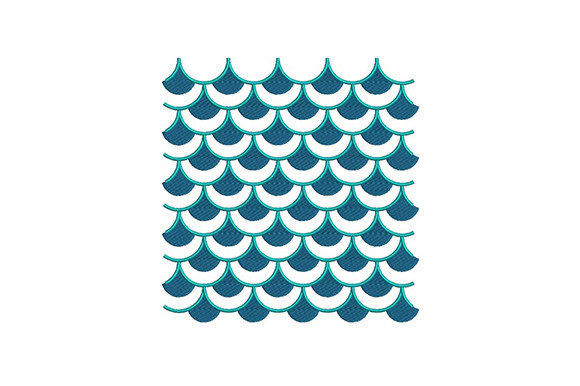
At its core, Mermaid Scales is a seamless repeat-style fill motif built from overlapping arcs. The charm isn’t in a single isolated shape but in the way the curves nest together, creating an almost organic ripple effect. The real selling point for small business owners is how the pattern lends itself to both large coverage areas and smaller decorative accents without losing clarity. I can easily picture this design stitched across the top flap of a waxed canvas backpack—something a hiker might carry—or used as a scalloped border on a set of reusable unpaper towels for a glamping-inspired kitchen line. The mood stays versatile: it can feel slightly folklore if done in earthy threads, or sharply contemporary when stitched in metallic silver on a dark sweatshirt. That range matters when you’re trying to appeal to both a boutique customer who loves handmade linen and a craft fair visitor searching for a last-minute personalized gift.
In terms of construction, the design relies primarily on satin and fill stitch techniques. The graceful curvature of the scales means you’ll need stable hooping and adequate density control, especially on loop terry cloth or fuzzy blanket fabrics. On smooth canvas or mid-weight cotton, the lines hold their shape beautifully, giving a dimensional, almost embossed appearance after pressing. I wouldn’t label this a quick five-minute stitch-out; it’s a design that rewards patience and the right stabilizer choices. If you’re planning to drop it onto a crewneck sweatshirt for your Etsy shop, budget the time to test how your specific thread weight interacts with the space between each scale. Too dense and you risk puckering on softer knits. Too light and the sea-creature allure flattens into a muddled net pattern.
Where This Design Genuinely Shines in a Craft Business
I mentally placed Mermaid Scales into a dozen real product scenarios while prepping my notes. Here’s where it consistently felt like a winning embroidery file, not just a nice illustration:
- Camping-themed boutique gear: Picture a sage green structured tote, lightly waxed, with the scales forming an elegant panel on the front pocket. Add a monogram in a coordinating thread, and you have a premium product that feels equal parts enchanted forest and lakeside retreat. This hits a niche that blends Camping with whimsical detail, perfect for outdoor enthusiasts who love thoughtful design.
- Baby apparel with a storytelling twist: A simple organic baby bodysuit featuring the scales subtly across the back shoulder yoke. It becomes less about “mermaid” and more about a gentle, water-baby moment. Pair it with a shark or whale miniature design, and you’ve got a coordinated set that photographs like a dream for listings.
- Embroidered home decor accents: A set of linen pillow covers where the scales run along one edge like a border. Kept tonal—taupe on natural linen—they turn a plain cushion into an heirloom gift. For holiday gifting, think about snowy white scales on navy napkins, instantly reminiscent of frost patterns, not just ocean life.
- Hat patches and curved surfaces: On a dad cap, a condensed version of the scales can act as a filler behind a single initial. But this is also where I’d exercise caution: caps have a tight curve and thick seam lines. Hooping needs to be flawless, and I’d run a practice stitch on a similar scrap cap crown before committing to a customer order.
One of my favorite uses was a last-minute custom order for a client who wanted a “rustic mermaid” kitchen set for her daughter’s graduation camping trip celebration. We embroidered the scales onto absorbent tea towels using a subdued, almost clay-toned thread, then wrapped them with handmade soap. The result looked refined, intentional, and generated three additional orders from the trip photos alone. That’s the kind of real-world ripple this design can create when matched to the right product.
Material Realities: When the Scales Might Let You Down
As much as I enjoy the motif, no design is universally forgiving. Mermaid Scales demands a certain relationship between thread, fabric, and backing. Here’s where I’d advise a careful hand:
- Thin, stretchy knit fabrics: If the design is full-coverage over a large area, it can turn a slinky rayon tee into a stiff plaque. A soft cut-away stabilizer helps, but the stretch recovery might still cause rippling after wear. If you must use it on a t-shirt, isolate the design to a pocket or yoke area, and consider a heat-transfer backing for additional support.
- Dark, textured backgrounds: On black fleece or deep charcoal sweatshirt material, the delicate spacing between scales can vanish, leaving an ambiguous textured blob. Use a strong contrast thread (metallic gold or crisp white) and test on the exact fabric before sending a single Etsy listing live. The stitch definition also suffers on heavily napped surfaces—imagine a plush blanket where the scales look more like disconnected lumps.
- Small hoop sizes: This design works best as a repeated or large-scale motif. If you try to cram it into a 4x4 inch frame, the scale detail compresses and loses the graceful sweep. It’s not impossible, but the resulting stitch density might feel harsh. Always check how much the parameters can be adjusted without breaking the registration.
- Frequent washing items: For anything destined for the laundry hamper weekly—like a kid’s backpack or a camp towel—ensure you use polyester thread with high colorfastness. The numerous thread jumps and trims in this design can fray if not secured properly, so plan to use a fusible mesh backing and mylar for extra durability if you’re preparing items for a Camping gear lineup that needs to survive rough use.
Building Customer Trust With the Look of the Finished Product
From a buyer’s perspective, the allure of a handmade product often comes down to tactile nuance. Mermaid Scales, when executed well, creates an immediate sensory reaction: people want to run their fingers over the raised arcs. That engagement translates into higher perceived value and stronger word-of-mouth sharing. In my own shop, items that feature a recognizable but not overtly childish pattern like this tend to attract a broader audience, from grandmothers looking for a unique baby gift to young professionals shopping for quirky desk accessories.
One thing I’ve learned is that the color palette you choose will completely shift the design’s persona. A test stitch in matte terracotta on an oatmeal apron gave me Mediterranean pottery vibes. The same design in deep teal on a canvas zip pouch felt cleanly nautical without screaming beach house. When you list a product using this digital embroidery file, include at least two distinct sample photos—one neutral, one bolder—so buyers can imagine it in their own life. This small step reduces hesitation and returns.
Mockups also play a silent role. A printable mockup showing Mermaid Scales on a natural fabric backdrop immediately communicates the artisanal quality of a finished product. It tells your customer that you’ve thought about how the design will live on their bag or wall decor after purchase, not just how it looks in your stitch software. For a commercial embroidery project, that kind of presentation can be the difference between a one-time sale and a wholesale inquiry.
A Stitcher’s Checklist Before You Hit “Load”
Whenever I test a new machine embroidery design like Mermaid Scales, I keep a mental list that saves me from hours of unpicking. Run through these points before you produce anything for a client or prep a new product batch:
- Test on scrap fabric first: Always, even if the file preview looks flawless. Thread tension and stitch density play out differently from screen to machine.
- Check thread color contrast on both light and dark fabrics: A subtle hue that pops on white might disappear on navy linen. Have a test swatch for each base material.
- Verify hoop size compatibility: If the design has to be split or altered, know your software’s limits. Don’t assume the downloadable file fits your standard hoop—measure the exact stitch area before purchasing.
- Inspect small details after the first stitch-out: Look for uneven scale corners, dragging underlay, or places where the fill stitch doesn’t quite meet the edge. A tiny misalignment becomes glaring when you embroider a dozen items for a craft fair.
- Use proper stabilizer for the fabric weight: A mid-weight cut-away for knits, a tear-away for tightly woven canvas, and a water-soluble topper on towels or textured surfaces where stitches might sink.
- Check black-and-white mockups: Convert a photo of the stitched test to grayscale. If the pattern loses all definition without color, you may need to tweak the contrast or choose a different background.
- Confirm licensing terms if you plan to sell finished items: This machine embroidery design appears to be offered as a creative asset, but always verify whether commercial use for small shop products is included. Respect the designer’s terms—it protects your business integrity.
I’d also recommend stitching a sample onto a piece of fabric that will be used in the final product, not just cheap muslin. Embroider the scales onto the actual cotton tote you plan to sell, or the exact sweatshirt brand you stock. Fabric drape changes everything. One of my earliest mistakes with a similar all-over fill pattern was testing on stiff calico and then being disappointed when it sagged on a soft French terry hoodie.
The Unexpected Gift Potential This Season
Right now, as I look ahead to upcoming gifting months, Mermaid Scales feels particularly well-suited for personalized holiday embroidery. It doesn’t scream Christmas or Valentine’s Day, so it has year-round legs, but paired with a thoughtful phrase or a simple name, it creates a gift that feels deeply custom. I can see it on a fleece lap blanket for a camping-obsessed father, a zippered pouch for a best friend’s hiking essentials, or a baby quilt panel for a new arrival. The scales read like a promise of adventure, and that narrative sells.
For digital product sellers, this design offers solid mockup versatility. Use it in preview images for design bundles, place it on a virtual tote bag for an Etsy listing, or include it in a commercial embroidery collection targeted at makers who love coastal and fantasy themes. Just remember to never share the raw embroidery file itself unless your license permits it. Keep the focus on the finished physical object you produce.
Every time I see the Mermaid Scales stitch pattern flowing cleanly across a simple natural canvas, I’m reminded why I love textile work: the ordinary becomes a small piece of art. It’s not a beginner’s design to rush, but for a thoughtful embroiderer willing to match it with the right project and a little patience, it builds products people notice. And for a business built on that kind of quiet, confident craft, that’s exactly the point.