Boy Riding a Snowboard: A Designer's Review for Craft Fairs
As an experienced embroidery designer who spends weekends setting up booths and evaluating new machine embroidery design assets, I recently reviewed the "Boy Riding a Snowboard" file. My goal was to determine if this piece of digital art could stand out in a sea of handmade goods at a local craft fair or serve as a reliable bestseller on Etsy. The product description suggests it is versatile enough for kids' T-shirts, blouses, jackets, and towels, but my experience tells me that versatility alone does not guarantee sales. What matters is how the design translates from a screen to a physical object, how it catches the eye of a passerby, and whether it holds up under the scrutiny of a busy production schedule.
First Impressions and Visual Appeal
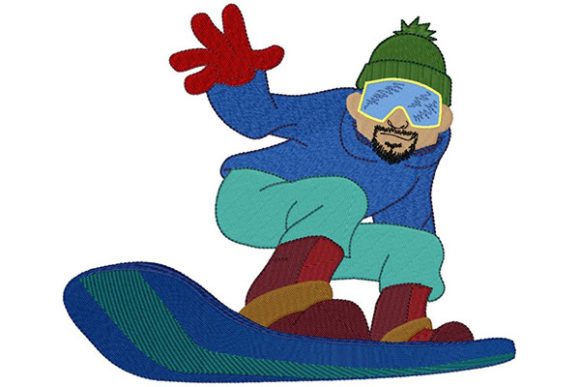
The moment I opened the file, the dynamic nature of the subject matter became clear. "Boy Riding a Snowboard" is inherently active and energetic. Unlike static floral motifs or simple geometric shapes often found in farmhouse decor, this design captures motion. For a craft fair booth, this energy is crucial. When customers walk past a table filled with tea towels and tote bags, they are drawn to movement. This design feels modern and playful rather than rustic or overly elegant. It strikes a balance between cute and adventurous, making it perfect for parents looking for unique gifts for their children.
In terms of mood, the design leans heavily into the Sports category without feeling aggressive. It is bold enough to be seen from across a crowded aisle yet detailed enough to appreciate upon closer inspection. If you are planning a winter-themed market or a sports-specific pop-up shop, this asset would anchor your display beautifully. However, even outside of those specific niches, the high-contrast action of snowboarding works well against neutral backgrounds, allowing the thread colors to pop regardless of the fabric choice.
Product Potential: Where Does It Shine?
I have tested numerous designs on various substrates, and "Boy Riding a Snowboard" shows exceptional promise when applied to specific handmade product categories. Here is where I believe this embroidery file will generate the most revenue:
- Tote Bags and Market Bags: These are the bread and butter of any craft fair. A large, centered placement of the boy on a canvas tote creates an immediate statement piece. The sturdy fabric supports the stitch density well, ensuring the design retains its crisp edges.
- Kids' Apparel (T-Shirts and Jackets): The description mentions kids' wear, and for good reason. Placing this on the back of a hoodie or the front pocket area of a denim jacket adds a personalized touch that mass-produced items lack. It transforms a generic garment into a custom commercial embroidery item.
- Tea Towels and Aprons: While kitchen items are common, adding a whimsical sports theme breaks the monotony of traditional floral patterns. A white tea towel with colorful thread work of a snowboarder makes for a charming, giftable item that stands out on a shelf.
- Embroidered Patches and Caps: For smaller inventory needs, this design works perfectly as a patch to be sewn onto beanies or backpacks. It also fits well within standard cap hoops, offering a great accessory for young athletes.
- Pillow Covers and Fabric Pouches: These items allow for larger hoop sizes, giving the designer room to showcase the details of the snowboard and the rider's stance. They serve as excellent mid-tier price point items for a boutique maker.
Production Realities and Selling Strategy
When preparing for a weekend booth, efficiency is key. You need to know if a design is easy to understand at a glance. "Boy Riding a Snowboard" excels here because the silhouette is distinct. Even if a customer glances quickly while browsing, the shape of the board and the posture of the rider are instantly recognizable. This clarity is vital for online listings as well; a clear photo of the finished product will translate better on a computer screen than a complex, cluttered design.
For batch production, the repeatability of this design is a major plus. Because the composition is balanced, you can create variations by simply changing the thread colors. A red shirt on the boy looks different from a blue one, allowing you to offer variety without needing to re-hoop or re-digitize. This flexibility is essential for an Etsy seller trying to keep their shop fresh with minimal effort.
Critical Technical Considerations
However, not every design is suitable for every surface. As a professional reviewer, I must highlight the areas where caution is required. The description advises using proper stabilizers depending on the fabric used, which is sound advice. Dense stitch areas are common in action shots like this, especially around the snowboard bindings and facial features. If the stitch density is too high for a thin knit fabric, it may cause puckering, ruining the aesthetic of the final piece.
Be wary of small lettering or tiny details if you plan to scale the design down for a small pouch or a child's sock. At smaller sizes, intricate lines can blur together, losing the clarity that makes the design appealing. Similarly, textured fabrics like heavy terry cloth towels or thick fleece jackets require careful testing. The needle penetration might struggle, or the texture might obscure the fine details of the snowboarder. Always test the design on scrap fabric before committing to a full run of inventory.
Curved surfaces, such as baseball caps, present another challenge. The curvature can distort the perspective of the rider if the digitization did not account for the curve. Ensure the hoop size and placement are precise to maintain the intended look. Furthermore, dark fabrics demand a high-quality underlay to prevent the background color from bleeding through the lighter threads. Without the right stabilizer and underlay strategy, the vibrant colors intended for the design may appear muddy.
Designer's Checklist for Success
To ensure "Boy Riding a Snowboard" becomes a profitable addition to your catalog, follow these practical steps derived from years of industry experience:
- Test on Scrap Fabric: Never skip this step. Run the design on the exact fabric type you intend to sell to check for tension and stability.
- Review Thread Contrast: Ensure the selected thread colors provide enough contrast against the fabric. A light-colored design on a pastel shirt may get lost.
- Inspect Stitch Density: Zoom in on the design file to see if any areas are over-stitched. Dense areas should still breathe to avoid a stiff feel.
- Create Real Mockups: Do not rely solely on digital renderings. Create at least one real mockup to photograph for your printable mockup listings. Customers need to see the texture of the stitches.
- Confirm Commercial Licensing: Before selling finished products, verify that your license allows for commercial use. Some digital embroidery files are restricted to personal projects only.
- Check Hoop Size Constraints: Ensure your machine's hoop size accommodates the design dimensions, especially if you plan to embroider multiple items in a single run.
Final Verdict for Craft Entrepreneurs
"Boy Riding a Snowboard" is a strong candidate for boosting your small shop product line. It offers a dynamic visual appeal that cuts through the noise of typical craft fair displays. Whether you are creating a tote bag design for a beach vendor or an apron embroidery set for a holiday market, this design brings a sense of fun and activity that resonates with buyers.
By paying attention to the technical nuances—such as stabilizer selection and fabric texture—you can elevate this design asset into a premium handmade gift that customers will love. It is a versatile tool for creative entrepreneurs ready to expand their brand consistency with high-quality, engaging imagery. With the right execution, this design has the potential to become a staple in your collection, driving engagement and sales alike.